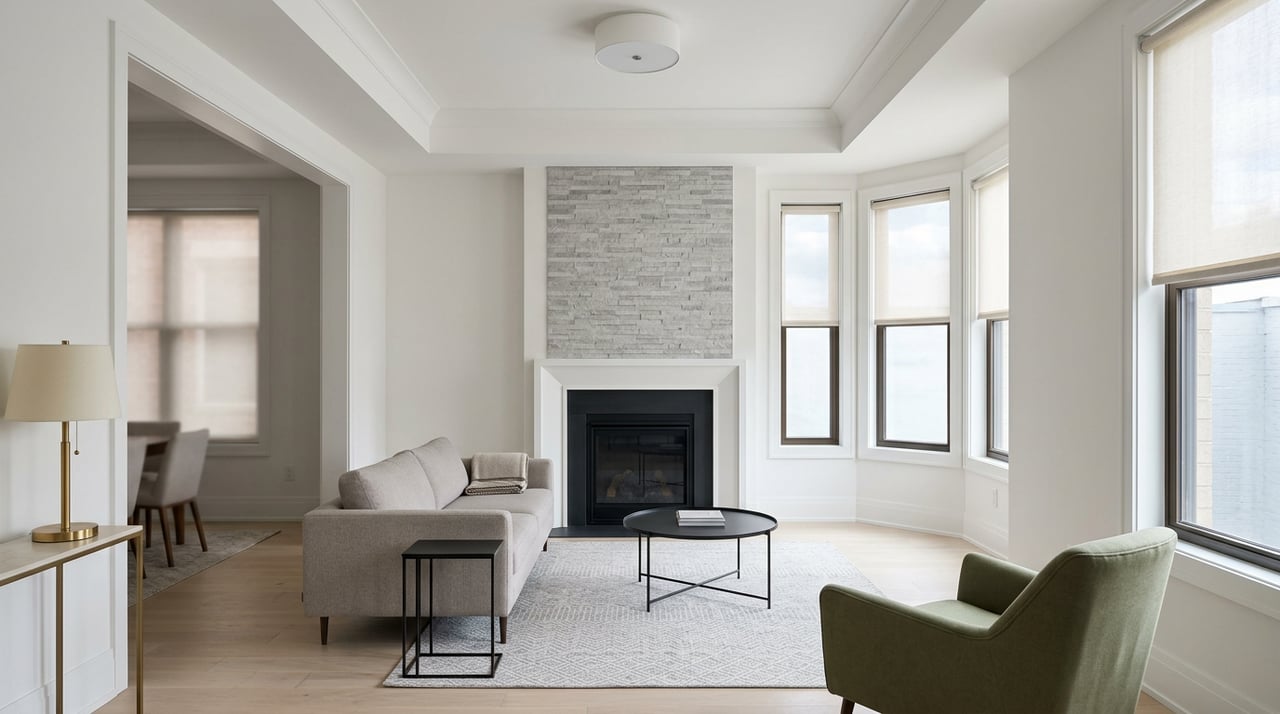
Should you choose the quiet prestige of Kalorama Heights or the lively, waterfront energy of Georgetown? If you are shopping at the top of the DC market, these two Northwest neighborhoods often rise to the top of your list. You want clarity on privacy, daily convenience, architecture, pricing, and long‑term value. This guide compares the essentials so you can target the right blocks with confidence. Let’s dive in.
Quick take: who each fits best
Kalorama Heights (Sheridan‑Kalorama and Kalorama Triangle)
- Best if you value privacy, larger lots, and proximity to Embassy Row. The area is a designated historic district with many contributing early‑20th‑century homes and ambassadorial residences. You will find quiet residential streets behind Massachusetts Avenue that feel refined and discreet. Learn more about the district’s character in the Sheridan‑Kalorama Historic District profile on Wikipedia.
- Walkable to Dupont Circle and Adams Morgan, yet residential at its core. A sample Kalorama address posts a Walk Score around 89, which confirms strong on‑foot convenience for errands and dining just beyond your doorstep. See a representative Walk Score example for Massachusetts Avenue on Walk Score.
Georgetown
- Best if you want an active, highly walkable retail and dining scene plus the riverfront. The neighborhood is a National Historic Landmark district known for well‑preserved Federal and Georgian architecture, a dense retail corridor on M Street and Wisconsin Avenue, and the C&O Canal. Explore the historic context on everything.explained.today.
- Everyday life centers on shopping and restaurants outside your door, with Walk Scores in the mid‑90s around the retail core. For a sense of the central corridor’s energy, review the M Street retail strip discussed on LoopNet.
Architecture and lot sizes
Kalorama: grand mansions and early‑20th‑century revival styles
Kalorama’s identity is tied to high‑style Beaux‑Arts, Georgian Revival, Colonial Revival, and other early‑20th‑century designs. Behind Massachusetts Avenue you will find stately, freestanding residences, ornate townhouses, and embassy or ambassadorial properties. That architectural pedigree is part of what makes the Sheridan‑Kalorama Historic District so sought after.
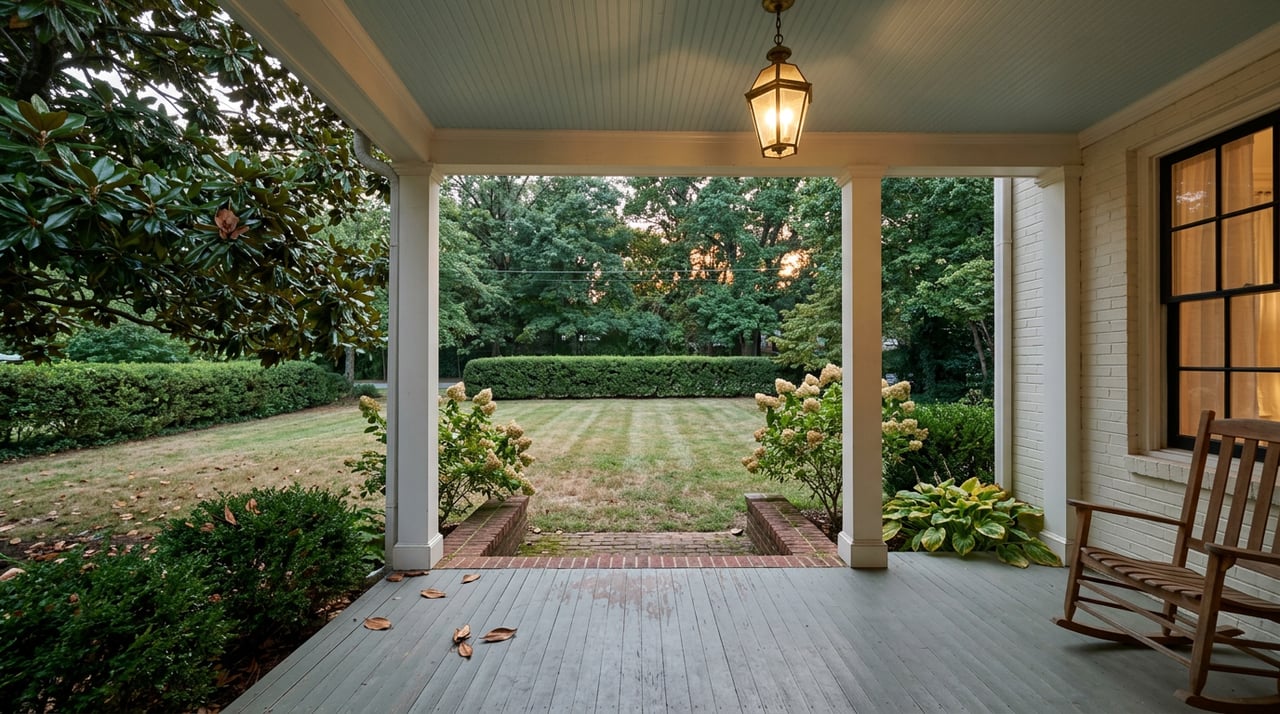
Lots skew larger than in many DC neighborhoods. Luxury homes often offer private yards, driveways, or gated entries. At the high end, single‑family and townhouses commonly span roughly 3,000 to more than 8,000 square feet, with the largest estates on generous parcels. That scale supports a more secluded, estate‑like feel.
Georgetown: Federal and Georgian townhouses, plus rare estates
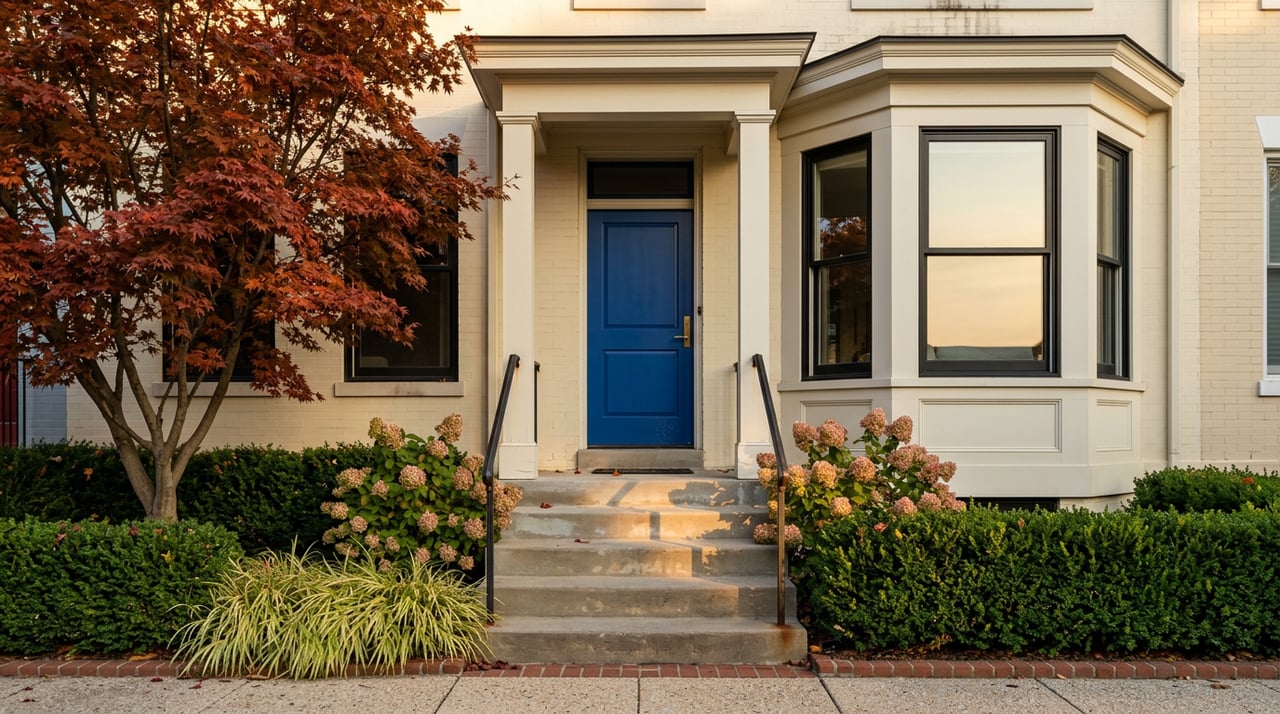
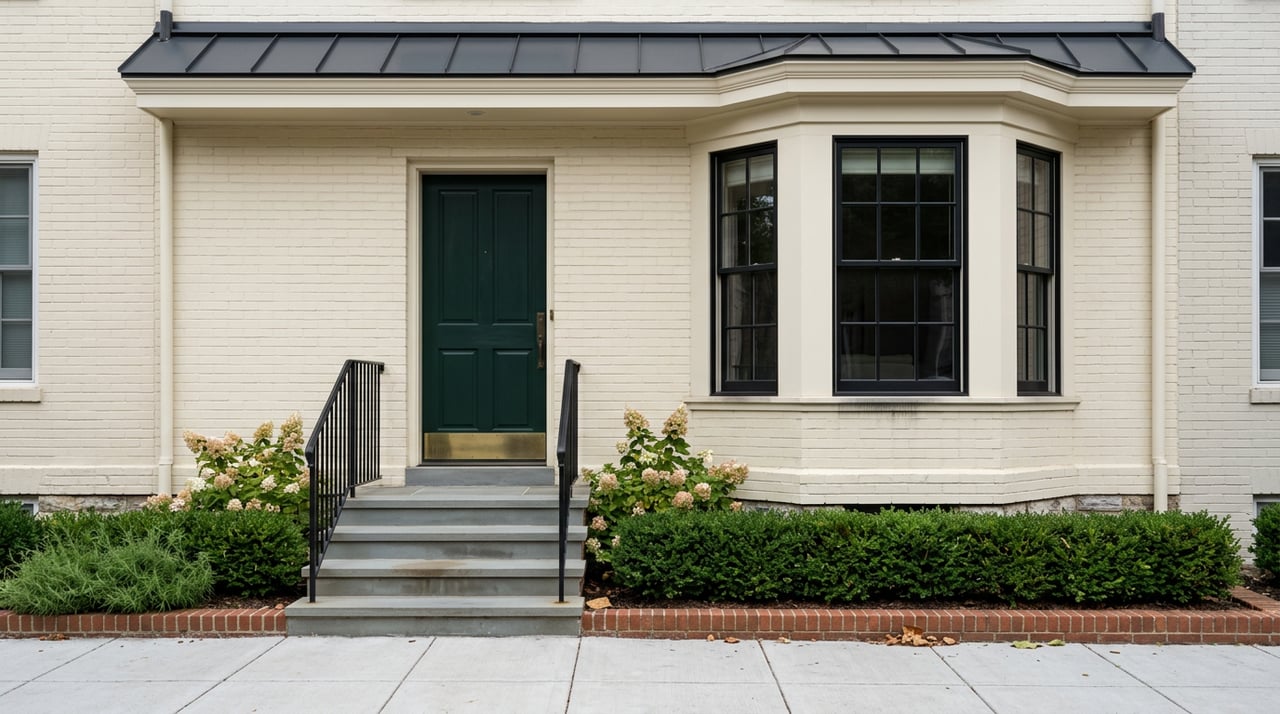
Georgetown’s historic fabric centers on brick Federal and Georgian rowhouses and townhouses with classic proportions and street‑front charm. The tight block pattern, cobblestone side streets, and masonry façades are part of its enduring appeal, summarized on everything.explained.today.
Typical homes have smaller footprints than Kalorama’s largest mansions, but there are important exceptions. Fully renovated, multi‑level townhouses and a handful of riverfront or corner‑lot estates can rival the total square footage of Kalorama properties. If you want historic character first and foremost, with the retail spine and waterfront steps away, Georgetown aligns well.
Walkability, transit, and daily rhythms
Georgetown: retail and waterfront at your door
Georgetown’s M Street and Wisconsin Avenue corridors bring boutiques, restaurants, and daily services to your front step. Walk Scores in the core run in the mid‑90s, and the C&O Canal and waterfront dining create a built‑in weekend plan. For a snapshot of the central retail spine, see this M Street corridor reference.
A notable tradeoff is heavy‑rail access. Georgetown does not have a Metrorail station within the historic core. Most residents rely on buses, the Georgetown shuttle, short ride‑hail trips, or walks to nearby stations in Foggy Bottom, Rosslyn, or Dupont Circle.
Kalorama: quiet residential feel with easy connections
Many Kalorama blocks are very walkable, with restaurants, cafés, and services in Dupont Circle and Adams Morgan a short stroll away. A sample address posts a high Walk Score, which aligns with the neighborhood’s day‑to‑day convenience; you can see an example on Walk Score.
For transit, Kalorama sits between Red Line stations at Dupont Circle and Woodley Park. You will not have a station in the center of the neighborhood, but you can reach one with a short walk or quick car ride. If a front‑door Metro is not essential, this setup works smoothly for many buyers.
Traffic and parking realities
Georgetown’s success as a shopping and dining destination brings crowds, especially on weekends and evenings. Narrow, one‑way streets and cobblestones contribute to character, yet they also make driving and parking more challenging. Resident parking permits, visitor passes, and paid garages serve the area, but availability fluctuates with the retail foot traffic documented around M Street.
Kalorama generally feels quieter and more residential. Many luxury properties include private driveways or garages. With fewer tourist draws inside the residential streets, you tend to see less turnover in curb parking. The district’s housing stock and diplomatic context, outlined in the Sheridan‑Kalorama Historic District profile, support that sense of calm.
Market snapshot and pricing context
Neighborhood medians are helpful context, but in both areas they blend condos, small flats, townhouses, and single‑family homes. That mix can understate the pricing of luxury single‑family and trophy townhouses.
- In Sheridan‑Kalorama, Redfin’s neighborhood page recently showed a median around 1.36 million dollars as of January 2026. This includes a wide range of property types.
- In Georgetown, Redfin’s metrics have hovered around the high six‑figure to low seven‑figure band, with a snapshot around 1.825 million dollars in December 2025. Again, this median includes smaller units.
For luxury comps, focus on the upper tiers:
- Kalorama: Single‑family homes and ambassadorial residences commonly trade from about 3 million to more than 15 million dollars, depending on lot size, architectural significance, and renovations. Coverage of Kalorama’s prominence and high‑profile residents reinforces the district’s top‑tier status, as seen in this Mansion Global feature on Kalorama.
- Georgetown: Renovated townhouses and rare waterfront or corner‑lot estates often start in the low to mid millions and can reach 10 to 15 million dollars for trophy properties.
Representative examples mentioned in recent listing cycles include a Kalorama townhouse around the high three to four million dollar range with roughly six thousand square feet, and a Georgetown property over seven thousand square feet at the very top of the market. Use current MLS data to validate pricing at the moment you enter the market, since list and sale prices shift with inventory and timing.
Privacy, embassies, and security considerations
Kalorama sits at the heart of DC’s diplomatic map. Embassy Row flows into Sheridan‑Kalorama, and dozens of embassies and ambassadorial residences cluster in and around the neighborhood. Review the diplomatic mission landscape on Wikipedia’s embassy list. The result is a streetscape of larger lots, more gated properties, and routine official security activity. That environment delivers a higher level of discretion for residents who prioritize privacy. The neighborhood’s prestige and emphasis on seclusion have been noted for decades, including in the Washington Post’s coverage of Sheridan‑Kalorama.
Georgetown also has quiet residential blocks away from the core, and some properties achieve excellent privacy. The difference is scale and activity. Retail and waterfront visitors create more visible public life, which is part of the area’s charm for many buyers, but it is a distinct tradeoff compared with Kalorama’s seclusion.
Preservation and long‑term value drivers
Both neighborhoods benefit from historic protections that limit insensitive redevelopment and help preserve architectural character. Sheridan‑Kalorama and Kalorama Triangle are designated historic districts overseen by the DC Historic Preservation Office. You can review the Sheridan‑Kalorama designation on the DC Office of Planning’s site for the Sheridan‑Kalorama Historic District.
Georgetown is recognized as a National Historic Landmark district, with well‑preserved Federal and Georgian architecture that anchors its value, summarized on everything.explained.today. For long‑term value, scarcity matters. In Kalorama, embassy adjacency and larger estates are scarce by definition. In Georgetown, the waterfront, irreplaceable retail core, and protected historic streetscapes create their own form of supply constraint. These structural drivers often help steady premium neighborhoods through market cycles, a theme echoed in Mansion Global’s DC market commentary.
Lifestyle and demographic notes
Aggregated demographic snapshots help set expectations. In Kalorama’s 20008 zip code, third‑party aggregations show higher average household income and an older median age than some entertainment‑heavy corridors. That aligns with demand from long‑term professionals and diplomats; see a summary on Point2Homes.
In Georgetown’s 20007 zip code, income levels are also high, with a somewhat younger skew in certain subareas due to university influence. Expect a mix of families, professionals, and residents connected to the university and nearby employment hubs. You can review a summary on Point2Homes.
How to choose between Kalorama and Georgetown
Use this quick framework to align your purchase with how you actually live:
- Privacy and grounds. If you want a freestanding home with larger private outdoor space and a quiet streetscape, lean Kalorama. If you want a townhouse lifestyle with retail and waterfront steps away, lean Georgetown.
- Walkability style. If your perfect weekend is boutiques, cafés, and the riverfront, Georgetown fits. If you prefer calm, leafy walks with quick access to Dupont Circle and embassy events, Kalorama fits.
- Transit priorities. If you want a Metrorail station in your immediate core, neither neighborhood places one at your door, but Kalorama sits closer to Red Line stations at Dupont Circle and Woodley Park. Georgetown relies on buses, shuttles, and short ride‑hail trips to reach heavy rail.
- Parking comfort. If you depend on private driveways or garages, Kalorama inventory offers more of it. In Georgetown, plan for permit parking, garages, or private solutions on a case‑by‑case basis.
- Architectural preference. If you love grand Beaux‑Arts and Georgian Revival mansions, focus on Kalorama. If brick Federal and Georgian townhouses speak to you, start in Georgetown.
- Renovation approach. Both are historic districts. Expect review for exterior changes, which helps preserve streetscapes and can support long‑term value.
If you are weighing both, tour them back to back at peak and off‑peak hours, then compare specific comps by product type rather than relying on a blended median. A data‑first review paired with on‑the‑ground feel will make the decision clear.
Ready to zero in on the right blocks and build a focused plan? Reach out to Carol Kennedy to benchmark true luxury comps, understand renovation pathways under historic guidelines, and preview on‑ and off‑market opportunities.
FAQs
What is the biggest lifestyle difference between Kalorama and Georgetown?
- Kalorama emphasizes privacy, larger lots, and diplomatic adjacency, while Georgetown prioritizes an active, highly walkable retail and waterfront scene with more day and evening foot traffic.
Does either neighborhood have a Metrorail station inside the core?
- No. Kalorama sits near Red Line stations at Dupont Circle and Woodley Park, while Georgetown relies on buses, the Georgetown shuttle, and short connections to Foggy Bottom, Rosslyn, or Dupont Circle.
How do parking and traffic compare in daily life?
- Georgetown’s narrow streets and retail draws make parking and congestion more challenging, especially on weekends, while Kalorama’s residential streets and many private driveways or garages create a calmer parking experience.
How do prices compare for luxury single‑family homes?
- Medians mix all property types, but at the luxury level both neighborhoods reach multi‑million prices; Kalorama often spans about 3 million to 15 million dollars or more, and Georgetown’s top renovated townhouses and rare waterfront estates can reach similar levels.
Where will I find the largest private lots and freestanding homes?
- Kalorama. The district is known for large, freestanding early‑20th‑century mansions and ambassadorial residences on bigger parcels behind Massachusetts Avenue.
Do historic protections make renovations hard?
- Both areas have preservation oversight for exterior changes. That adds review steps, but it also protects streetscape character and can support long‑term value by limiting insensitive redevelopment.
Will the lack of a Metro stop hurt resale value?
- Not necessarily. Buyers value each area for different reasons. Kalorama’s prestige, embassies, and larger lots, and Georgetown’s retail and waterfront appeal, are strong structural drivers that help support long‑term demand.