If you are getting ready to sell on Capitol Hill, one question can shape your entire timeline and bottom line: should you sell as-is, or renovate first? In this neighborhood, that choice is rarely simple. Buyers are still active, but they are paying close attention to condition, timing, and value. The good news is that you do not need a one-size-fits-all answer. You need a smart local framework. Let’s dive in.
Capitol Hill sellers face a nuanced choice
Capitol Hill is still one of DC’s more desirable submarkets, but today’s market is more measured than the frenzy many sellers remember. At the broader Washington area level, Bright MLS reported that spring 2026 brought a pickup in pending sales and overall activity, even as rising rates and uncertainty created headwinds.
That matters because a steady market rewards preparation. Buyers are showing up, but they are comparing options carefully. In practice, that means the best decision is often not “renovate everything” or “do nothing.” It is usually better to think in three buckets: repair, refresh, or leave alone.
Start with repair, refresh, or leave alone
Before you decide to sell as-is or renovate, sort every project into one of these categories:
- Repair: fix defects, deferred maintenance, or issues likely to raise concerns during showings or inspections
- Refresh: make simple, broad-appeal updates that improve presentation without overinvesting
- Leave alone: skip expensive, highly customized, or slow-moving projects with unclear resale payoff
This framework helps you focus on what buyers actually notice and what the market is most likely to reward. It also keeps you from spending money just because a project sounds impressive.
When selling as-is makes sense
Selling as-is can be the right move when your home is fundamentally sound and the main issues are cosmetic, dated finishes, or projects that would be expensive to complete before listing. It can also make sense if you are facing a time-sensitive situation, such as an estate sale, relocation, or a property that needs more work than makes sense for a short pre-listing window.
On Capitol Hill, this approach can be especially practical when larger projects may trigger permitting delays or historic review. If the likely work is complex, personalized, or uncertain, preserving your time and capital may produce a better outcome than chasing a renovation that does not clearly pay back.
Good candidates for as-is sales
You may want to lean toward as-is if:
- the home is structurally sound
- most issues are cosmetic rather than functional
- the renovation scope is large or hard to control
- exterior work may require approvals in the historic district
- you want to avoid construction risk, cost overruns, or timeline creep
That does not mean doing nothing at all. Even when you sell as-is, basic cleaning, decluttering, and presentation still matter.
When renovating first makes sense
Renovating before you list can work well when the updates are modest, clearly scoped, and broadly appealing to buyers. In many cases, the best pre-sale improvements are not dramatic remodels. They are the simple fixes and refreshes that make a home feel well cared for and move-in ready.
According to the 2025 Zonda Cost vs. Value report, exterior replacement projects continued to outperform major interior remodels nationally, with several entry and exterior-focused projects delivering strong cost recovery. Zonda also noted that eight of the top ten projects were exterior replacements, which reinforces a practical lesson for sellers: visible, straightforward improvements often outperform major custom renovations.
Updates most likely to help
For Capitol Hill sellers, the most sensible pre-listing work often includes:
- fresh paint
- deep cleaning
- decluttering
- front entry improvements
- lighting updates
- flooring touch-ups
- modest kitchen or bath refreshes
- repairs to items that could distract buyers or create inspection concerns
The National Association of REALTORS 2025 Remodeling Impact Report supports this approach. It found that 46% of buyers are less willing to compromise on a home’s condition, and agents most often recommend painting and addressing roofing issues before listing.
Why presentation matters more than ever
In a market where buyers are more selective, condition and presentation can shape both pricing power and time on market. That is especially true for homes competing against well-prepared listings in the same price range.
The same NAR remodeling report found that buyers place the most importance on staging the living room, followed by the primary bedroom and kitchen. It also found that 29% of agents said staging increased value by 1% to 10%, while 49% said staging reduced time on market.
Focus on visible impact
If you are deciding where to spend money, prioritize what buyers will notice first:
- Entry and curb appeal
- Clean, bright walls and surfaces
- Living room presentation
- Kitchen appearance and function
- Primary bedroom simplicity and scale
These are often the highest-leverage areas because they shape the emotional first impression without requiring a full remodel.
Historic district rules can change the equation
On Capitol Hill, the decision is not just about resale value. It is also about time, approvals, and execution risk. The DC Office of Planning explains that exterior and site alterations in the Capitol Hill Historic District are subject to review, while ordinary interior alterations generally are not.
The DC Department of Buildings homeowner guidance adds another important layer. Structural work and some nonstructural work require permits, and in a historic district, some projects may need a Historic Property - Special Permit. Window and door replacement in a historic jurisdiction also needs approval before permit application.
What that means for sellers
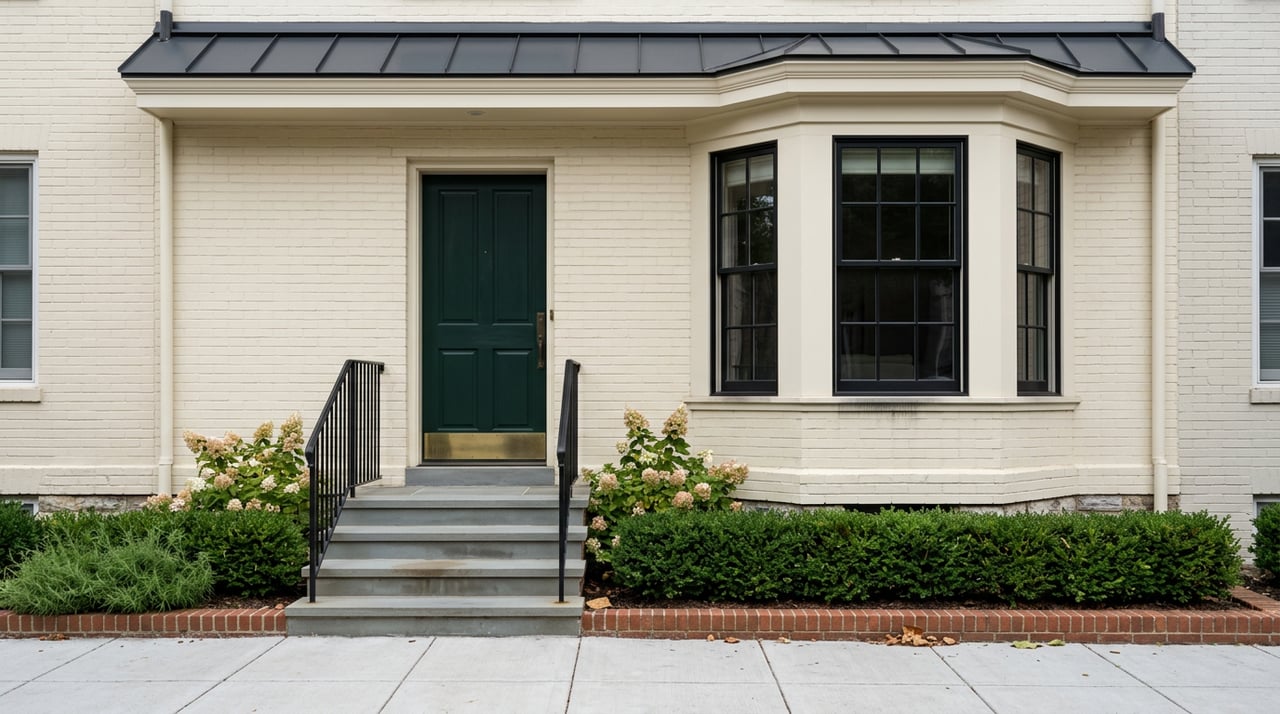
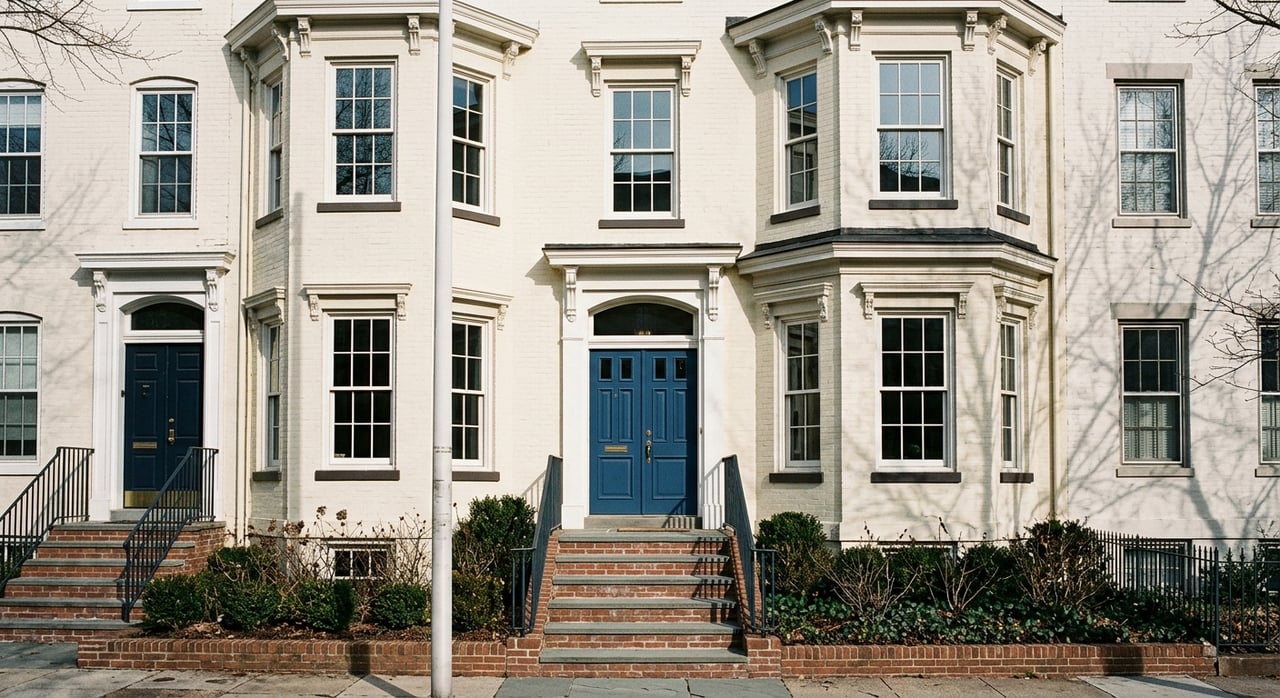
If you own a rowhouse, exterior updates may look simple at first but still affect your timeline. A front door, window, façade, or other exterior scope may involve more review than you expected.
That is why many Capitol Hill sellers benefit most from work that improves appearance without creating permit friction. Interior cosmetic updates and exempt maintenance items, such as routine painting, are often more manageable than exterior changes with uncertain review timelines.
Rowhouses and condos need different strategies
Capitol Hill is not one uniform market, and your property type matters. The broader DC-area data from Bright MLS showed attached and townhome sales moving faster than condos in early 2026, while condos had a higher supply level and longer market time.
That suggests sellers should tailor improvements to the kind of home they own rather than applying the same plan to every listing.
For Capitol Hill rowhouses
Rowhouse sellers often get the most value from:
- front entry refreshes
- paint and patching
- lighting updates
- minor kitchen improvements
- maintenance items tied to the building envelope
- staging and strong presentation
Because rowhouses often compete on charm, condition, and visual impact, the goal is to make the home feel cared for and easy to understand without opening the door to long renovation timelines.
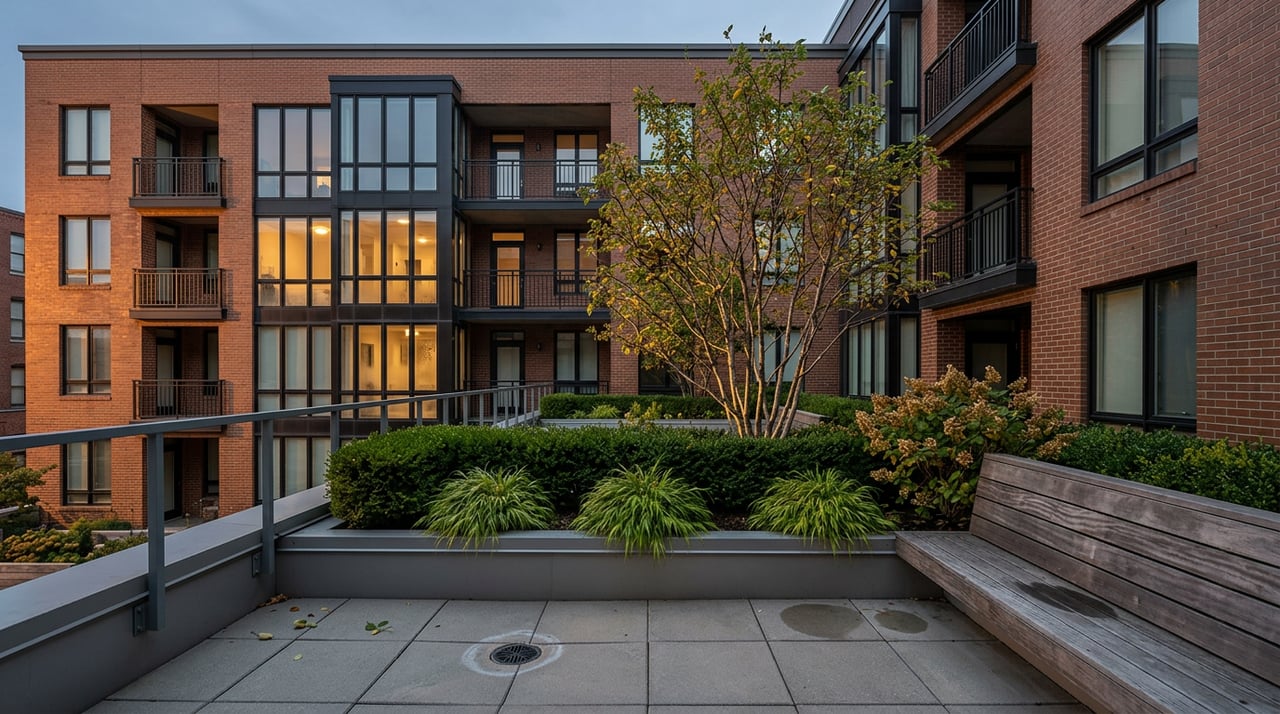
For Capitol Hill condos
Condo sellers often see the highest leverage from:
- cosmetic updates
- fresh paint
- flooring touch-ups
- hardware or lighting swaps
- decluttering
- staging
Since condos can face more direct competition and longer absorption, polished presentation matters even more. Structural changes are usually less relevant than making the unit feel clean, functional, and move-in ready.
Avoid overbuilding before resale
One of the most common mistakes sellers make is confusing personal renovation goals with resale strategy. The projects homeowners enjoy most are not always the ones that produce the strongest return when it is time to sell.
Both Zonda’s cost-recovery findings and the NAR buyer-behavior data point in the same direction: simpler, visible, broadly appealing improvements usually make more sense than large, customized remodels right before listing.
Projects to approach carefully
Be cautious with:
- full custom kitchen remodels
- major layout changes
- luxury upgrades aimed at personal taste
- exterior projects with unclear permit paths
- any scope that could delay your market timing
If the project is expensive, highly personal, or hard to complete quickly, it may be better to price accordingly and let the next owner decide.
A practical Capitol Hill decision guide
If you are deciding what to do before listing, use this simple guide:
| Situation | Best fit |
|---|---|
| Home is sound, but dated | Refresh |
| Issues are mostly cosmetic | Refresh or as-is |
| Work is large, expensive, or highly customized | As-is |
| Exterior scope may trigger review or permits | Usually as-is or very limited work |
| Small updates can be done quickly and cleanly | Renovate first |
| Inspection concerns are likely | Repair first |
In other words, repair what could create friction, refresh what buyers will notice, and leave alone what is unlikely to pay you back.
The best answer is property-specific
There is no universal rule for Capitol Hill sellers. A well-located rowhouse with solid bones may benefit from light improvements and polished marketing. A condo in a more competitive set may need stronger cosmetic preparation to stand out. An estate property or long-held home may be better positioned for an as-is sale with smart pricing.
That is where a data-first, neighborhood-specific analysis matters. The right plan should account for your home’s condition, likely buyer pool, permit exposure, timeline, and the kind of return each dollar is likely to produce.
If you are weighing whether to sell as-is or renovate first in Capitol Hill, Carol Kennedy can help you evaluate the numbers, the likely buyer response, and the smartest pre-listing strategy for your specific property.
FAQs
Should Capitol Hill sellers renovate before listing a rowhouse?
- Not always. Rowhouses often benefit most from targeted repairs, paint, entry updates, and staging rather than a major pre-sale remodel.
Should Capitol Hill condo sellers list as-is or update first?
- Many condos benefit from cosmetic updates first because presentation and condition can matter more when buyers have several similar options.
Do Capitol Hill historic district rules affect pre-sale renovations?
- Yes. According to DC preservation and building guidance, exterior changes may require review or added permitting, while ordinary interior alterations generally are not subject to historic preservation review.
What pre-listing projects usually have the best resale impact?
- National data suggests simple, visible improvements like paint, entry refreshes, exterior replacements, modest kitchen updates, and staging often outperform large custom remodels.
Is selling as-is a bad idea in the current Capitol Hill market?
- No. Selling as-is can be a smart choice when the home is structurally sound, the needed work is mostly cosmetic, or the renovation path is too costly, slow, or uncertain.
How can Capitol Hill sellers decide between repair, refresh, or leaving the home alone?
- A practical approach is to repair true defects, refresh visible areas buyers care about, and skip expensive or personalized projects that are unlikely to produce a clear resale payoff.