If you are trying to picture daily life in Capitol Hill with a stroller, a school-aged child, or a dog leash in hand, the answer is less about big backyards and more about how the neighborhood works block by block. Capitol Hill is one of those DC neighborhoods where routines often happen on foot, with parks, playgrounds, schools, and errands woven into the street grid. If you are weighing whether that lifestyle fits your household, this guide will help you see the tradeoffs and the advantages more clearly. Let’s dive in.
Why Capitol Hill Works Day to Day
Capitol Hill is one of Washington’s oldest residential neighborhoods, and its historic form still shapes how people live there now. According to the DC Office of Planning’s Capitol Hill Historic District materials, the district includes about 200 city squares and roughly 8,000 buildings, with many intact 19th-century row houses and a network of tree-lined streets.
For you as a buyer, that usually means a lifestyle built around proximity rather than private space. The neighborhood’s wide avenues, narrower residential streets, and compact rowhouse blocks support short walks, quick errands, and regular use of public spaces throughout the day.
Living With Kids in Capitol Hill
If you are wondering whether Capitol Hill is practical with kids, the strongest case is the neighborhood’s spread-out network of parks and activity spaces. Instead of relying on one giant park, you have green spaces distributed across the neighborhood through the Capitol Hill Parks system, which includes Lincoln Park, Stanton Park, Marion Park, Folger Park, Seward Square, Twining Square, and more.
That pattern matters because it can make everyday life easier. A nearby square, playground, or shaded path can be more useful for a busy family than a larger destination that takes more planning to reach.
Parks and Playgrounds for Families
Several Capitol Hill parks stand out for households with children.
Lincoln Park is the largest park in Capitol Hill and serves as one of the neighborhood’s most recognizable green spaces. It offers room to walk, sit, and spend time outdoors in a central setting.
Stanton Park includes a playground, benches, formal walkways, and landscaped flower beds. That combination makes it useful for both active play and slower-paced outings.
Marion Park is described by the National Park Service as a popular park for children. With walkways, trees, and a playground area, it fits the kind of quick neighborhood outing that families often need between school, work, and home.
One note for time-sensitive planning: Folger Park was reported by the National Park Service as under rehabilitation and closed through April 30, 2026. If access to a specific park matters to you, it is smart to confirm current conditions before you make a decision.
Recreation Beyond the Park
For a more structured family amenity, Watkins Recreation Center adds a lot to the neighborhood routine. The site includes a youth-sized outdoor pool, turf field, street skate rink, outdoor basketball courts, an adventure-themed playground, and after-school programming for youth ages 5 to 18.
That kind of resource can make a big difference if you want more than passive green space nearby. It gives families another option for activity, programming, and everyday flexibility without needing to leave the neighborhood.
Living With Pets in Capitol Hill
Capitol Hill can also be a very workable neighborhood for pet owners, especially dog owners, but the setup is distinctly urban. This is not a neighborhood where most households rely on a large fenced yard. It is a neighborhood where regular walks are part of the routine.
The National Park Service notes that pets are commonly brought to Capitol Hill parks, but pets must remain leashed at all times with a leash no longer than six feet. Pets also cannot be left unattended, and owners must remove waste.
For you, that means Capitol Hill is best understood as a walk-the-dog neighborhood. The green spaces, sidewalks, and public squares support frequent on-leash outings, while off-leash activity is limited to designated dog parks elsewhere in the city under DPR rules.
What Pet Owners Should Expect
If you are moving from a more suburban setup, the adjustment is usually about routine, not access. Capitol Hill gives you frequent places to walk and a neighborhood fabric that supports outdoor time, but it usually does not offer the same level of private outdoor space.
That tradeoff works well for many buyers because the neighborhood makes short outings easy. A quick walk before work, a loop through a nearby park in the afternoon, and another evening walk can fit naturally into daily life.
School Planning in Capitol Hill
School planning is often one of the biggest questions for buyers considering Capitol Hill. The good news is that the neighborhood has several nearby DCPS options, including Watkins Elementary School, Maury Elementary School, Payne Elementary School, Stuart-Hobson Middle School, Capitol Hill Montessori School @ Logan, and Eastern High School, as listed in DCPS school profile materials.
What matters most is understanding that school planning in DC is not a one-step process. Your address, boundary assignment, feeder path, and lottery choices can all affect your options.
How the DC School Process Works
According to My School DC, the platform serves as the common application and common lottery for participating public and public charter schools from PK3 through grade 12. DCPS also uses enrollment tools to help families identify in-boundary school and feeder assignments.
In practical terms, you should think about school fit in three layers:
- In-boundary rights for your address
- Feeder patterns as your child moves to the next grade band
- Lottery-based choices for out-of-boundary or charter options
This is one area where block-level guidance matters. In Capitol Hill, a few streets can change how you think about your choices, so it is worth reviewing the address-specific details early in your home search.
The Rowhouse Lifestyle Tradeoff
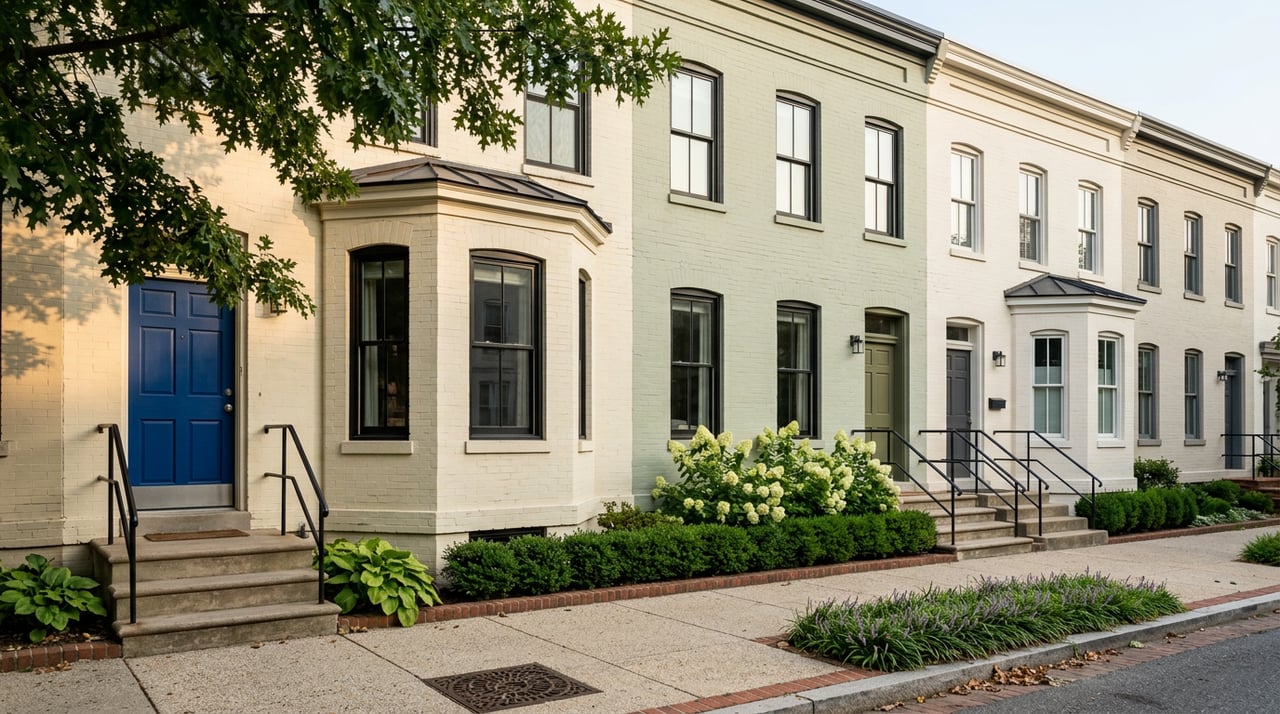
A big part of Capitol Hill’s appeal is its housing character. The Office of Planning brochure describes the neighborhood as a cohesive collection of intact 19th-century row houses on narrow urban streets, with brick Queen Anne examples especially prominent.
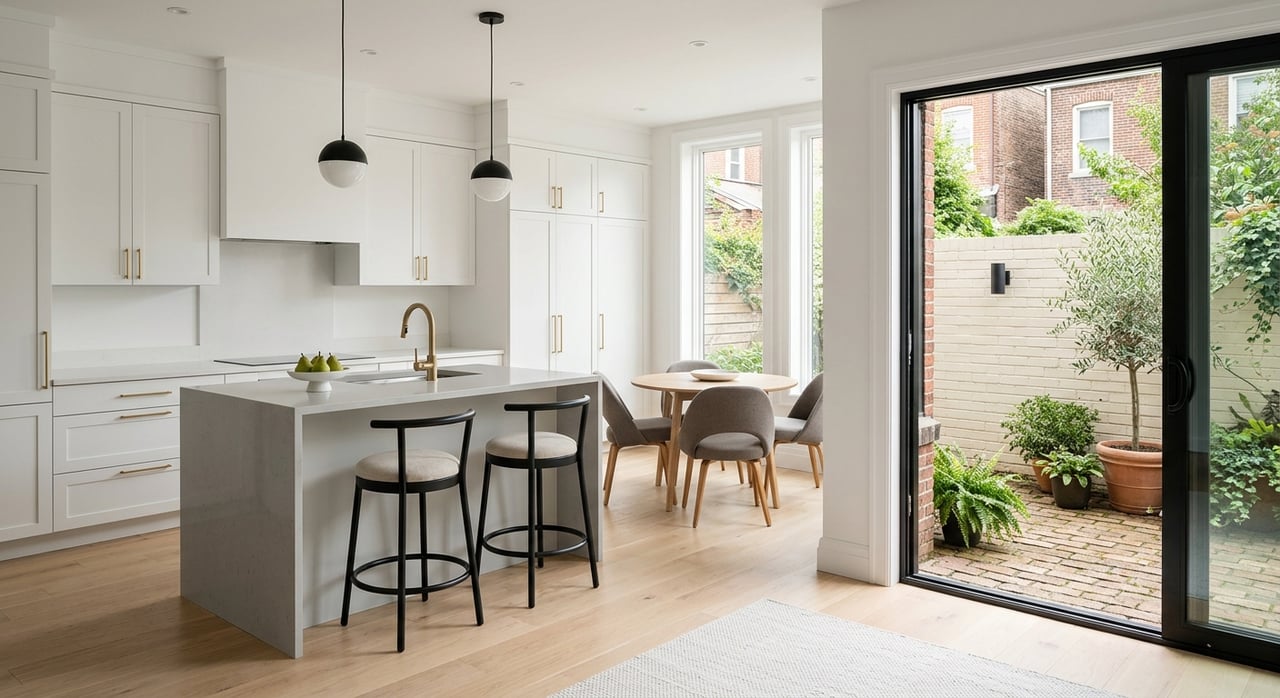
For many buyers, that translates into a very specific exchange. You often gain walkability, historic character, and close access to parks, schools, and neighborhood gathering spots, but you may give up a larger yard, a wider floor plan, or easier indoor-outdoor separation.
If you have kids, that can mean relying more on parks, playgrounds, and recreation spaces than on private lawn space. If you have pets, it often means building your routine around walks rather than backyard time.
What Buyers Often Value Most
For the right household, the upside is strong. Capitol Hill offers a neighborhood pattern where daily needs and quality-of-life amenities are often close at hand.
That can be especially appealing if you value:
- Walkable routines
- Frequent access to parks and public spaces
- Historic housing character
- Nearby errands and community activity
- A neighborhood layout that supports living locally
Community Life and Everyday Errands
Capitol Hill is not just residential. It also has a strong daily rhythm shaped by neighborhood gathering places and recurring public activity.
Eastern Market is one of the clearest examples. Its official site describes it as a community hub for Capitol Hill, with the indoor market, Fresh Tuesdays Farmers Market, the weekend farmers’ line, the weekend outdoor market, and North Hall event space.
For you, that can make a real difference in how the neighborhood feels week to week. Grocery runs, coffee stops, produce shopping, casual meetups, and community events can all happen close to home, which helps support a more local, less car-dependent routine.
Capitol Hill has also hosted family-friendly public programming such as Open Streets Capitol Hill, where more than a mile of roadway was temporarily closed for walking, biking, skating, and community activities. Events like that show how the neighborhood’s public realm is used for more than traffic flow. It is also a place for people to gather.
Is Capitol Hill Right for Your Household?
Capitol Hill can work very well with kids or pets, but it helps to go in with the right expectations. The neighborhood tends to reward households that value walkability, public space, and access over square footage and yard size.
If that sounds like your lifestyle, Capitol Hill may feel easier and more connected than you expect. If you want help comparing blocks, housing types, and everyday tradeoffs in DC neighborhoods, Carol Kennedy can help you evaluate the details and move forward with confidence.
FAQs
Is Capitol Hill practical for families with children?
- Yes. Capitol Hill offers a distributed park system, playgrounds like those at Stanton Park and Marion Park, the amenities at Watkins Recreation Center, nearby school options, and a walkable daily layout.
Is Capitol Hill good for dog owners?
- Yes, especially if you are comfortable with an urban pet routine built around on-leash walks through neighborhood parks and squares. Pets must be leashed in Capitol Hill Parks unless they are in a designated off-leash dog park elsewhere.
How does school planning work for Capitol Hill homebuyers?
- School planning usually involves checking your in-boundary school by address, understanding feeder patterns, and reviewing lottery options through My School DC for out-of-boundary or charter choices.
What housing tradeoff should buyers expect in Capitol Hill?
- The main tradeoff is usually walkability and historic rowhouse character versus larger private yards, wider layouts, and more suburban-style space.
What community features shape daily life in Capitol Hill?
- Eastern Market, neighborhood parks, recreation amenities, and occasional public events like Open Streets help create a local routine centered on errands, outdoor time, and community activity.