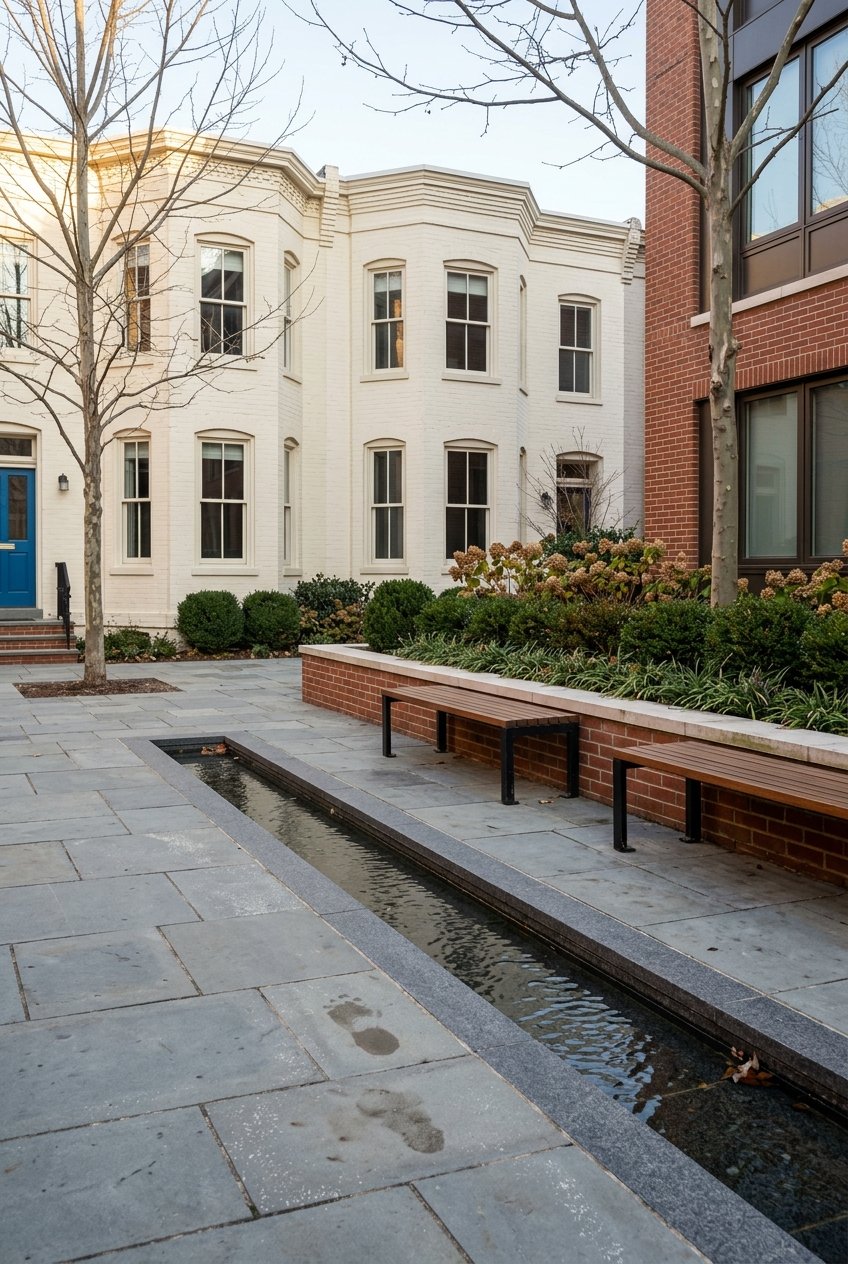
If you are drawn to Georgetown, you are probably looking for more than a pretty address. You want to know what it actually feels like to live there day to day, from the rhythm of the streets to the tradeoffs that come with a historic, high-traffic neighborhood. This guide walks you through Georgetown’s homes, blocks, waterfront, and daily flow so you can picture real life here with more clarity. Let’s dive in.
Georgetown at a glance
Georgetown sits in Northwest DC, framed by the Potomac River to the south, Rock Creek to the east, and Georgetown University at the west end. According to the Georgetown BID, its commercial district covers about 35 blocks, with activity centered along M Street, Wisconsin Avenue, Prospect Street, and the riverfront south of M Street.
That layout shapes everyday life in a big way. Georgetown has a busy commercial spine, but it transitions quickly into calmer residential streets. In practice, that means your experience can change a lot from one block to the next.
Georgetown’s micro-areas
M Street feels busiest
M Street is Georgetown’s main retail corridor and often the first part of the neighborhood visitors experience. It connects Georgetown toward Foggy Bottom and Downtown to the east and toward Virginia by way of Key Bridge to the west.
If you live near M Street, you are close to shops, restaurants, and everyday convenience. You are also closer to the neighborhood’s busiest foot traffic and street activity, especially on weekends and during peak visitor times.
Wisconsin Avenue feels more intimate
The Wisconsin Avenue and Book Hill area offers a smaller-scale commercial pocket with boutiques, galleries, cafes, and antique shops. The BID describes it as a more intimate shopping and strolling area than M Street.
For many buyers, this area offers a nice middle ground. You still get walkable access to neighborhood businesses, but the tone often feels more tucked in and less like the main visitor corridor.
North of M Street feels residential
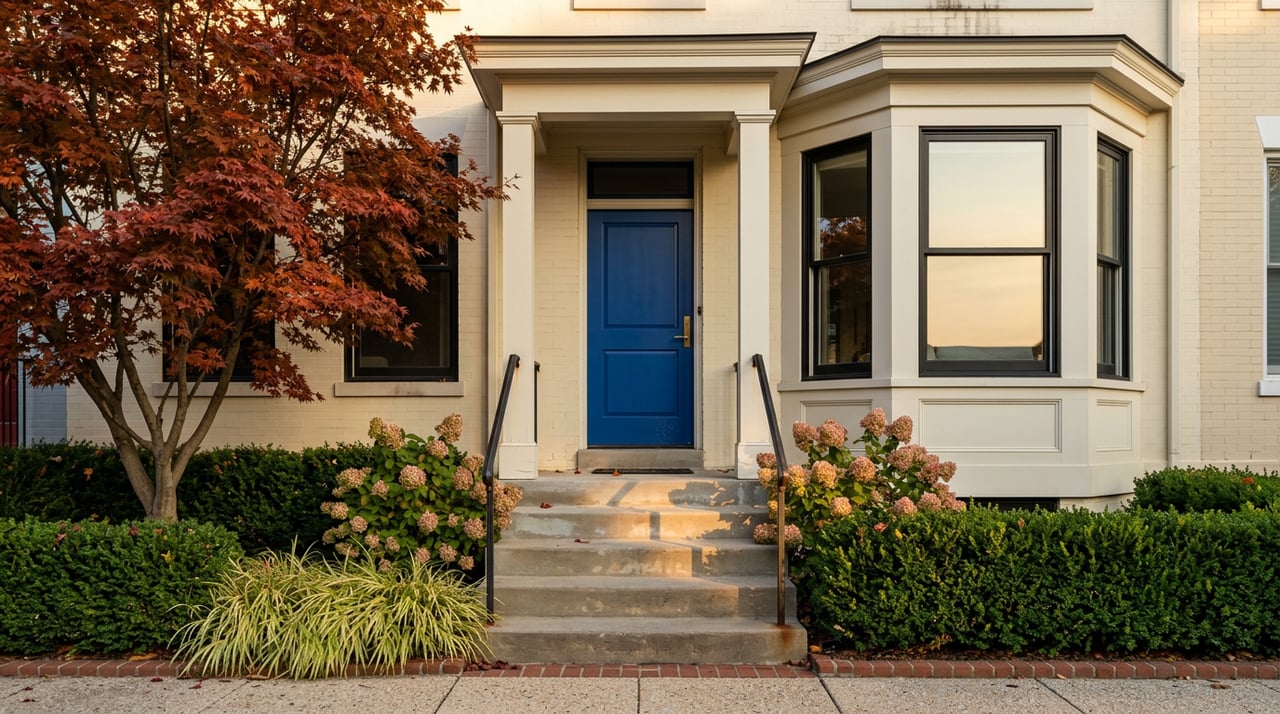
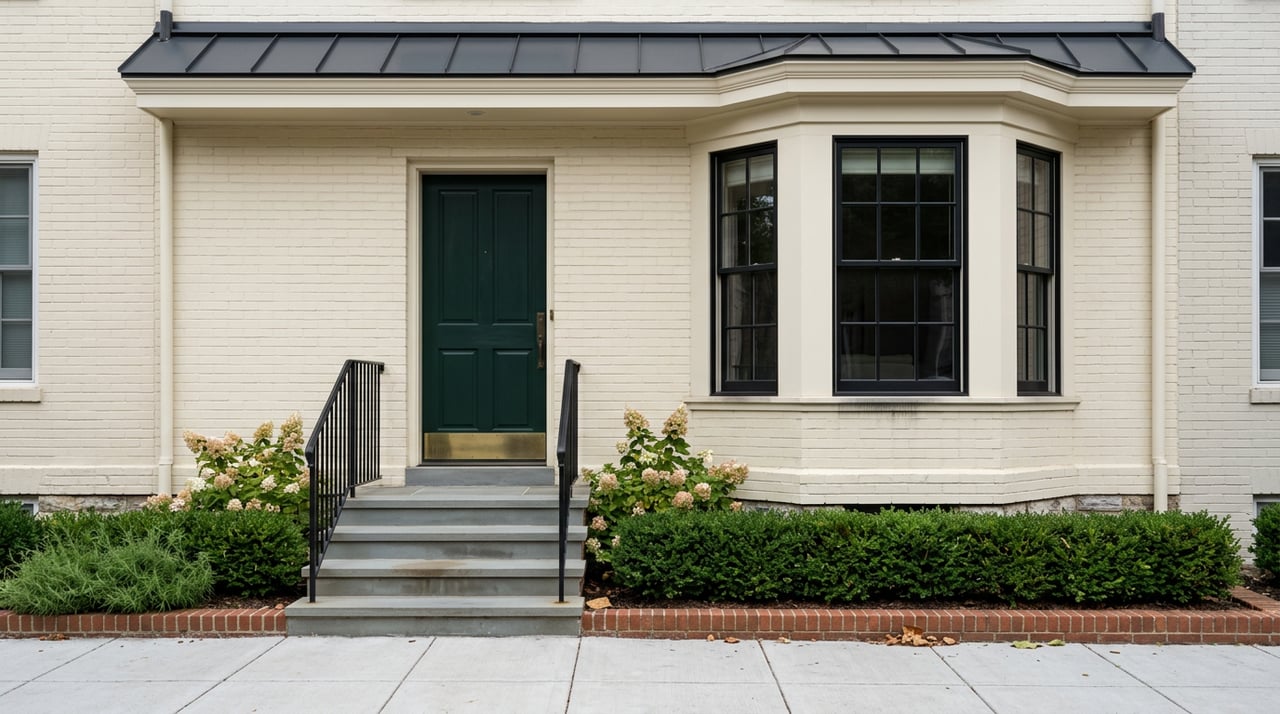
The residential neighborhood north of M Street is where Georgetown often feels quietest. These tree-lined blocks include homes dating back as early as the 18th century, with a mix of modest row houses and larger estate-style properties.
This part of Georgetown is also where the neighborhood’s historic character is easiest to feel on a daily basis. The streetscape is more about homes, small parks, and a slower residential rhythm than retail activity.
Cady’s Alley adds a design focus
Cady’s Alley is a compact design corridor with more than 30 showrooms and stores set within historic industrial buildings. It gives Georgetown another layer beyond classic rowhouses and storefronts.
If you spend time here, the feel is distinct from the older residential blocks. It is still unmistakably Georgetown, but with a more curated design-district identity.
Waterfront and canal edge feel greener
South of M Street, Georgetown opens up into the waterfront and the C&O Canal corridor. The BID notes that this part of the neighborhood feels greener than the retail core, thanks to public parkland and the canal edge.
That shift matters if you value open space. Even in a dense and active neighborhood, Georgetown has places where the visual tone softens and the pace can feel less compressed.
What the homes feel like
Georgetown’s housing stock reflects its long history. The BID describes the north-of-M Street blocks as home to properties dating back to the 18th century, ranging from row houses to large estates, with small parks and notable historic house museums woven into the neighborhood fabric.
For a buyer or owner, that means housing here is often as much about context as square footage. Streetscape, preservation, lot constraints, and architectural continuity all play a bigger role than they might in a newer neighborhood.
Historic preservation shapes ownership
Georgetown is one of DC’s most tightly regulated historic neighborhoods. The Old Georgetown review process applies to exterior changes, and DC planning materials note that local and federal review systems overlap in the historic district.
That has real day-to-day implications if you own here. Exterior alterations can be more complex, and guidance from the Commission of Fine Arts says additions should remain subordinate to the historic building while discouraging changes that overwhelm the original structure or add new front-yard parking and curb cuts.
In simple terms, Georgetown tends to feel preserved rather than repeatedly rebuilt. That preservation is a major part of the appeal, but it also means you should expect more oversight if you plan visible exterior work.
Street life and daily rhythm
One of the most important things to understand about Georgetown is that it is not uniformly busy. The feel of the neighborhood depends heavily on your block.
The busiest public areas are M Street, Wisconsin Avenue, and the waterfront. By contrast, the side streets north of M Street usually feel more residential. That distinction is important if you love Georgetown’s energy but want a quieter home base.
Visitors are part of the experience
Georgetown’s BID reported 13.2 million domestic visitors in 2024, with 75% coming from within 30 miles. That helps explain why Georgetown often feels lively and social, especially in its commercial and waterfront areas.
For residents, this can be both a plus and a tradeoff. You get a neighborhood with strong street life, active storefronts, and plenty to do nearby, but you also share parts of it with a steady stream of day-trippers and regional visitors.
Getting around Georgetown
Georgetown is walkable but not rail-served
A key practical point is that Georgetown does not have a Metrorail station. Georgetown University transportation guidance notes that the neighborhood relies on buses, shuttles, walking, and biking for much of its daily movement.
That does not mean car-free living is impossible. It does mean your transportation habits are more likely to center on walking and surface transit than on a quick rail stop in the neighborhood itself.
Biking is a real backup option
The same Georgetown transportation guidance notes that the area has eight Capital Bikeshare stations. For many residents, that makes biking a practical supplement to walking and bus travel.
If you are comparing Georgetown to rail-served parts of DC, this is one of the clearest lifestyle differences. Georgetown can work well without a car, but the experience is more bus-, bike-, and walking-oriented.
Parking is a daily consideration
Parking is one of the neighborhood’s biggest lifestyle tradeoffs. The DC DMV residential parking permit rules state that residents can park without restriction in the permit area of their registered address, while parking without that permit is generally limited to two hours.
The Georgetown BID gives the same practical takeaway for local streets: vehicles without a Zone 2 permit are generally limited to two-hour residential parking. If you drive regularly or expect frequent guests with cars, parking friction is something to factor in early.
Waterfront life in Georgetown
The waterfront is one of Georgetown’s defining quality-of-life features. Georgetown Waterfront Park runs from 31st Street NW to Key Bridge and includes car-free pathways, a fountain, a labyrinth, river views, and space for walking, cycling, skating, and boat watching.
This is not just scenery you admire once in a while. For many residents, it becomes part of daily life, whether that means morning walks, evening runs, or a convenient place to reset near the water.
The waterfront is active, not isolated
The riverfront is also a social destination. The Georgetown waterfront area includes waterfront dining, river cruises, water taxis, and the area’s large outdoor ice skating rink at Washington Harbour in winter.
That mix gives the waterfront a dual role. It functions as open space, but it also brings energy and activity that spill into the neighborhood’s wider lifestyle.
Canal life and green space
The C&O Canal adds another dimension to Georgetown living. The National Park Service notes that the towpath begins in Georgetown and is part of the 184.5-mile Potomac Heritage National Scenic Trail, which can be hiked or biked.
That is a major asset if you want quick access to a long, continuous outdoor route without leaving the neighborhood. It helps explain why Georgetown can feel more green-edged than people expect from such a well-known commercial area.
There is one practical note to keep in mind. NPS says the Georgetown section is affected by major preservation work, with towpath detours at times during the ongoing 2023 to 2026 project window.
Shopping, dining, and everyday convenience
Georgetown’s retail concentration is a real part of daily life. The BID describes Georgetown as the largest outdoor shopping district in the region and says M Street is one of the country’s best shopping streets.
For residents, that means convenience is built into the neighborhood experience. Whether you are running quick errands, meeting someone for coffee, or spending time on the waterfront, many daily activities happen within a compact footprint.
Outdoor dining adds to the street energy
The overlap between residents and visitors shapes the neighborhood’s social feel. In a 2023 BID survey, 74% of residents and 87% of visitors said outdoor dining made Georgetown feel more vibrant and festive.
That helps explain why the neighborhood often feels animated even away from the river. If you enjoy active sidewalks and visible public life, Georgetown delivers that in a way few DC neighborhoods do.
Is Georgetown a good fit for you?
Georgetown is especially appealing if you value historic housing, walkable retail, waterfront access, and streets with strong visual character. It offers a compact and scenic lifestyle where you can move from busy commercial blocks to quieter residential streets in just a few minutes.
The tradeoffs are just as important to understand. You may deal with more foot traffic, tighter parking, no Metrorail station in the neighborhood, and more limits on exterior home changes because of historic review.
If you are weighing Georgetown as a place to buy, sell, or invest, the details matter at the block level. Home style, street activity, parking conditions, and preservation constraints can all affect value and fit. If you want help thinking through Georgetown with a neighborhood-specific, data-driven lens, Carol Kennedy can help you evaluate the tradeoffs and opportunities with confidence.
FAQs
What is everyday life like in Georgetown DC?
- Everyday life in Georgetown blends busy retail and waterfront areas with quieter residential blocks, especially north of M Street.
What part of Georgetown feels most residential?
- The blocks north of M Street, on either side of Wisconsin Avenue, generally feel the most residential and quiet.
Can you live in Georgetown without a car?
- Yes, but Georgetown is more oriented to buses, shuttles, walking, and biking than to Metrorail.
Is Georgetown Waterfront Park public?
- Yes, Georgetown Waterfront Park is a public, National Park Service-managed space along the Potomac River.
Is it hard to renovate a home in Georgetown?
- Exterior changes can be more complicated than in non-historic neighborhoods because Georgetown is subject to historic review under the Old Georgetown framework.
Is parking difficult in Georgetown DC?
- Parking can be a challenge because residential street parking is generally limited for vehicles without the appropriate residential permit.