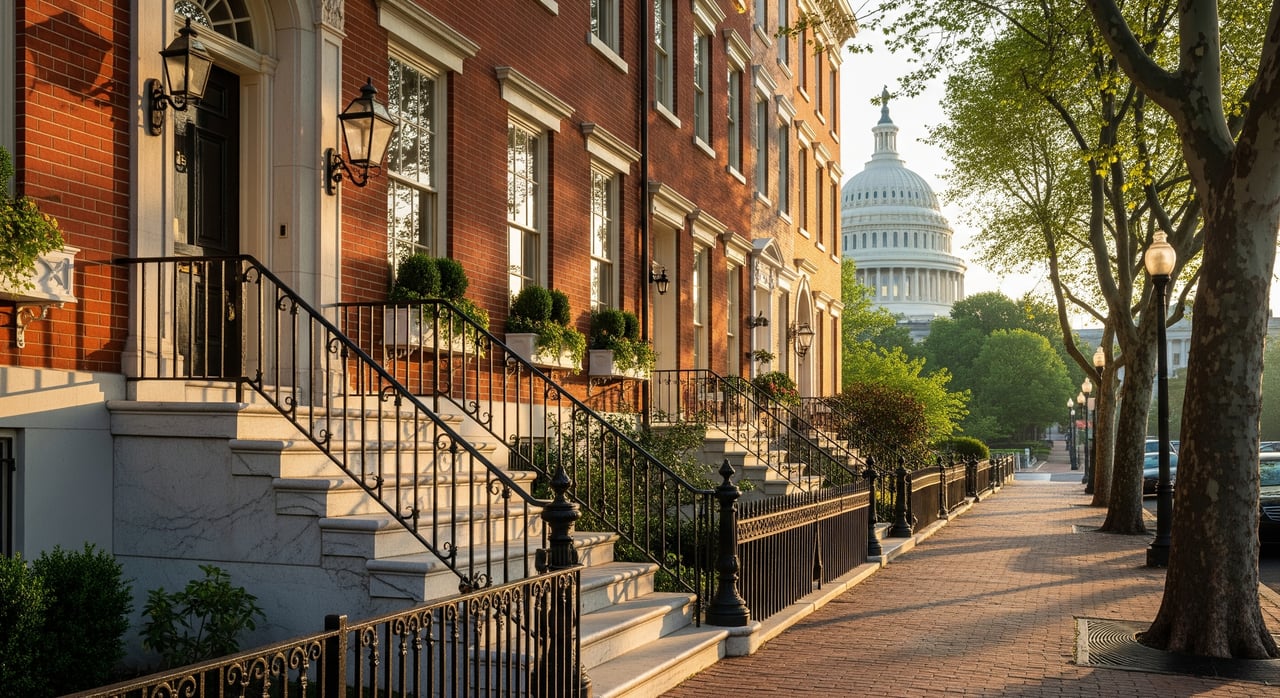
Thinking about selling your Capitol Hill home and wondering when to go live? Timing is one of the biggest levers you control, and on the Hill it really matters. With the right season, week, and launch plan, you can draw more showings, stronger offers, and a faster sale. In this guide, you’ll learn the best months and days to list, how local rhythms like the Congressional calendar influence demand, and a practical prep timeline to hit the market at full strength. Let’s dive in.
Best months to list on Capitol Hill
Spring brings peak buyer traffic
Spring is the primary peak for buyer activity in the D.C. region. On Capitol Hill, that demand often amplifies because the neighborhood is highly walkable and close to the U.S. Capitol, Eastern Market, and multiple Metro stations. Late March through May typically delivers the most showings and the best chance for multiple offers. Early June can still be productive as households align summer moves.
Early fall offers a solid second window
If you miss spring, September and October are usually the next-best months. After summer travel ends and routines resume, buyers re-engage and inventory that launches clean and well priced can move quickly. This window is smaller than spring but still attracts motivated shoppers. Aim to have your home market-ready by late August to capitalize.
Late fall and winter tend to slow down
Mid-November through February commonly sees fewer showings and longer days on market. That does not mean you cannot sell, but you should plan for a longer marketing window and realistic pricing. If your home shines and you need to move, you can still succeed. Otherwise, use this time to prep for spring.
How local rhythms shape your launch
Watch the Congressional calendar
Many Hill buyers and renters work in or around federal offices. Their schedules and relocations can track with federal hiring cycles and Congressional sessions. August often sees lower local activity due to the district work period. If you want to reach Hill staffers, favor early July or aim for September rather than August.
Consider commute and Metro patterns
Hybrid work changed how some buyers tour. Weekday evenings and weekends remain key, and proximity to Capitol South, Eastern Market, and Union Station is still a major draw. If transit interest ticks up, that can boost buyer attention near Metro. You can monitor regional trends through the WMATA ridership portal.
Plan around neighborhood events and school dates
Spring and early summer bring lively Eastern Market and Barracks Row activity, which can spotlight the neighborhood for out-and-about buyers. Large city events may affect access for a day or two, so coordinate open houses accordingly. Many households prefer to move in summer to avoid mid-schoolyear disruptions, which supports the late-spring momentum into early summer.
Tactical timing: week, day, and cadence
Pick the right week and day
Aim for a spring launch when possible, with fall as a strong backup. Within a given week, many sellers choose a Thursday go-live so the listing is fresh for weekend showings. This timing helps you rack up traffic quickly and collect early feedback for any pivots.
Price to match the season
- In peak months, pricing close to market value can spark faster offers and healthy competition.
- In slower months, be realistic and plan for a longer runway to find the right buyer.
- Use a current, hyper-local CMA that focuses on Capitol Hill comps with similar property types. Avoid leaning on citywide numbers that may blur neighborhood nuances.
Launch with complete, high-quality marketing
- Go live with full photography, floor plans, and a polished description that highlights your location, Metro access, and lifestyle amenities.
- Consider a broker open or agent preview before public open houses to prime interest.
- Offer flexible showing windows, including early evenings and weekends, and add a 3D or video tour for busy or remote buyers.
An 8–12 week prep timeline that works
10–12+ weeks out: plan and book
- Confirm your target listing week, ideally late March–May or September.
- Set a budget and prioritize high-impact projects like paint, lighting, and deep cleaning.
- If exterior changes are needed and your home is in a historic district, submit approvals now, as reviews can add weeks.
- Get contractor bids and lock in schedules.
6–10 weeks out: complete major work
- Finish any permit-heavy or structural work early in this window.
- Consider a pre-listing inspection to speed buyer due diligence.
- Service major systems like HVAC and address obvious deferred maintenance.
3–5 weeks out: polish and stage
- Wrap painting, flooring refresh, and appliance tune-ups.
- Hire a stager or implement a staging plan; right-size furniture to show scale.
- Declutter and deep clean; secure off-site storage if needed.
1–2 weeks out: produce your marketing
- Schedule professional photography and 3D/virtual tours 1–3 days before launch.
- Finalize a description that highlights proximity to Eastern Market, Metro, and the Capitol.
- If targeting Hill staffers or federal buyers, align your marketing blast with the Congressional and federal calendar.
Launch week: execute and adjust
- Go live on your target day, often Thursday, and host weekend open houses.
- Monitor showings and feedback closely.
- Be ready to adjust price or presentation after 7–10 days if interest is below expectations.
Permits and historic district considerations
Capitol Hill includes historic districts where exterior changes visible from public space may require review and approval. That process can add weeks to your prep timeline, so start early. For guidance on what needs review and how the process works, consult the District’s Historic Preservation resources.
Common pitfalls to avoid
- Listing in August if you want to target Hill staffers who may be away during recess.
- Going live with incomplete media or missing floor plans, which reduces early momentum.
- Overpricing in slower seasons and then chasing the market with multiple reductions.
- Ignoring permit timelines for exterior work in historic areas.
- Limiting showings to weekends only; weekday evenings matter for commuters and hybrid workers.
Your next steps
If you are planning a sale in the next 3–6 months, start aligning your prep with the spring or early fall window now. Build in time for staging, marketing, and any needed reviews so you launch complete and confident. If you want a data-first pricing opinion and a tailored launch plan for your block and property type, connect with Carol Kennedy. Request a free home valuation and a timing roadmap for your Capitol Hill sale.
FAQs
What is the best month to list on Capitol Hill?
- Late March through May typically brings peak buyer traffic, with September–October as a solid secondary window.
Is Thursday the best day to go live for showings?
- Many sellers choose Thursday so the listing is fresh for weekend traffic and open houses.
How does the Congressional recess affect my launch?
- August often sees fewer Hill-staff buyers; if that is your target audience, aim for early July or wait for September.
Do I need permits for exterior changes in the historic district?
- Exterior work visible from public space may require review; start early and consult DC’s Historic Preservation guidance.
Are weekends better than weekdays for showings on the Hill?
- Both matter; keep weekend open houses and offer flexible weekday evening slots to reach commuters and hybrid workers.