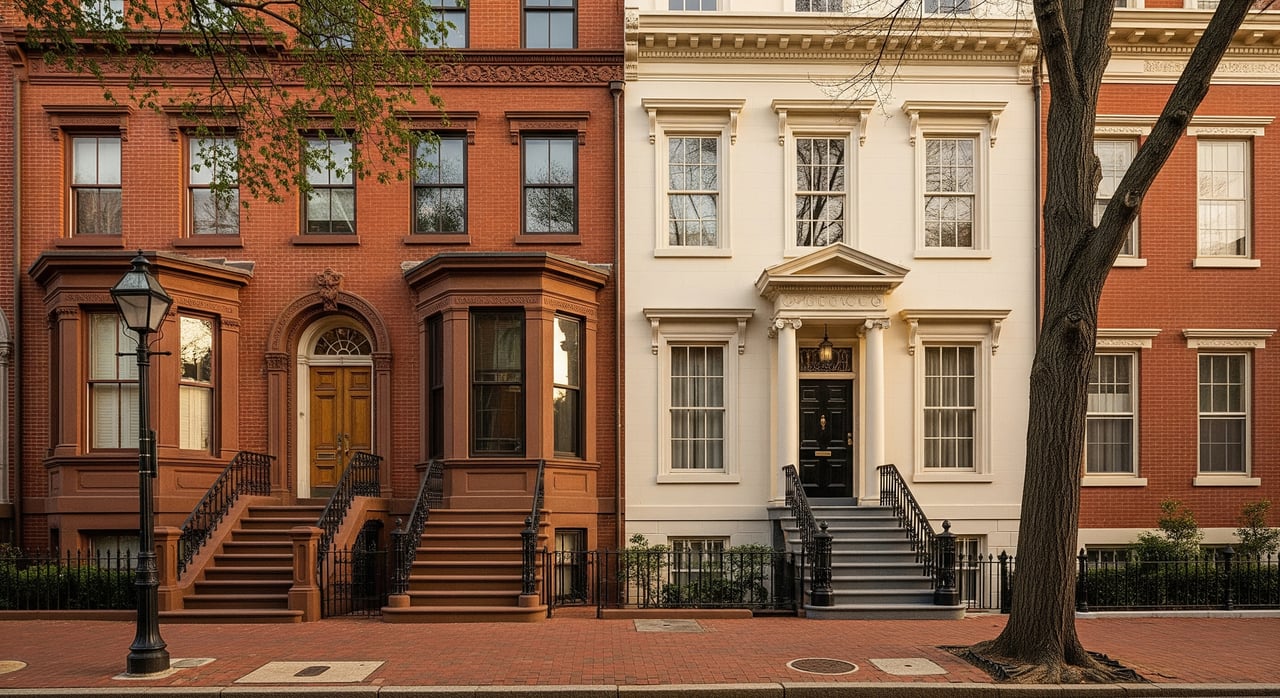
Are you touring Capitol Hill and seeing listings call the same home a rowhouse in one place and a townhouse in another? You are not alone. In DC, the terms overlap, yet they can signal very different costs, rules, and renovation paths. This guide breaks down the differences, shows you what to look for on a tour, and explains how ownership, historic rules, and inspections affect your decision. Let’s dive in.
Rowhouse vs townhouse in DC
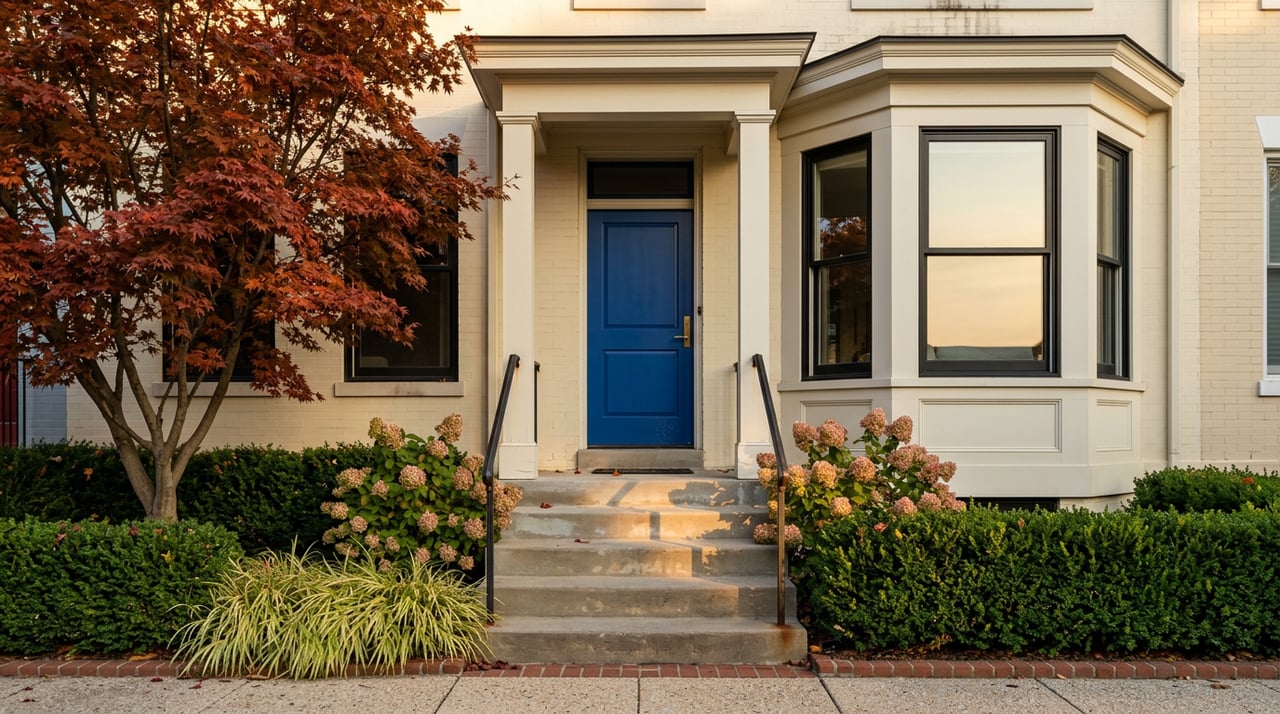
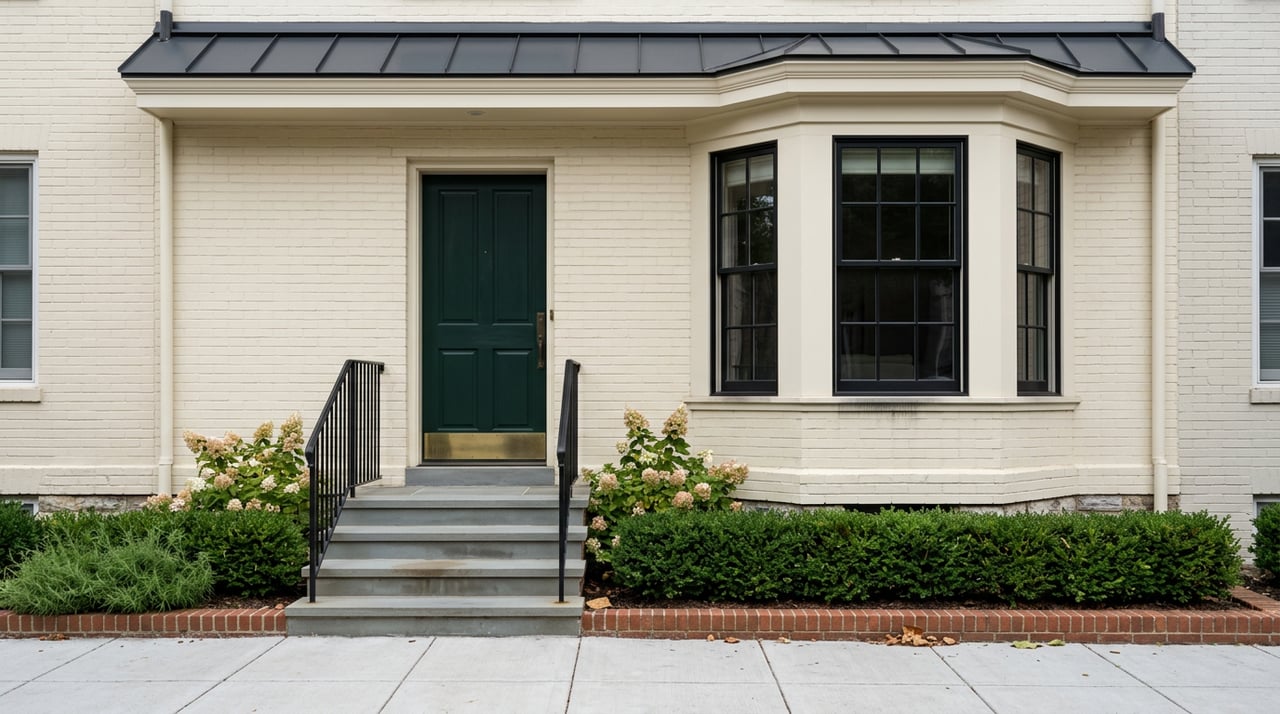
In everyday DC usage, people often use both terms for attached homes, but buyers usually mean different things. A rowhouse is the classic DC form: a narrow, attached brick home in a continuous row with shared party walls and little side yard. Capitol Hill is full of 19th- and early-20th-century examples with Federal, Italianate, and Victorian details.
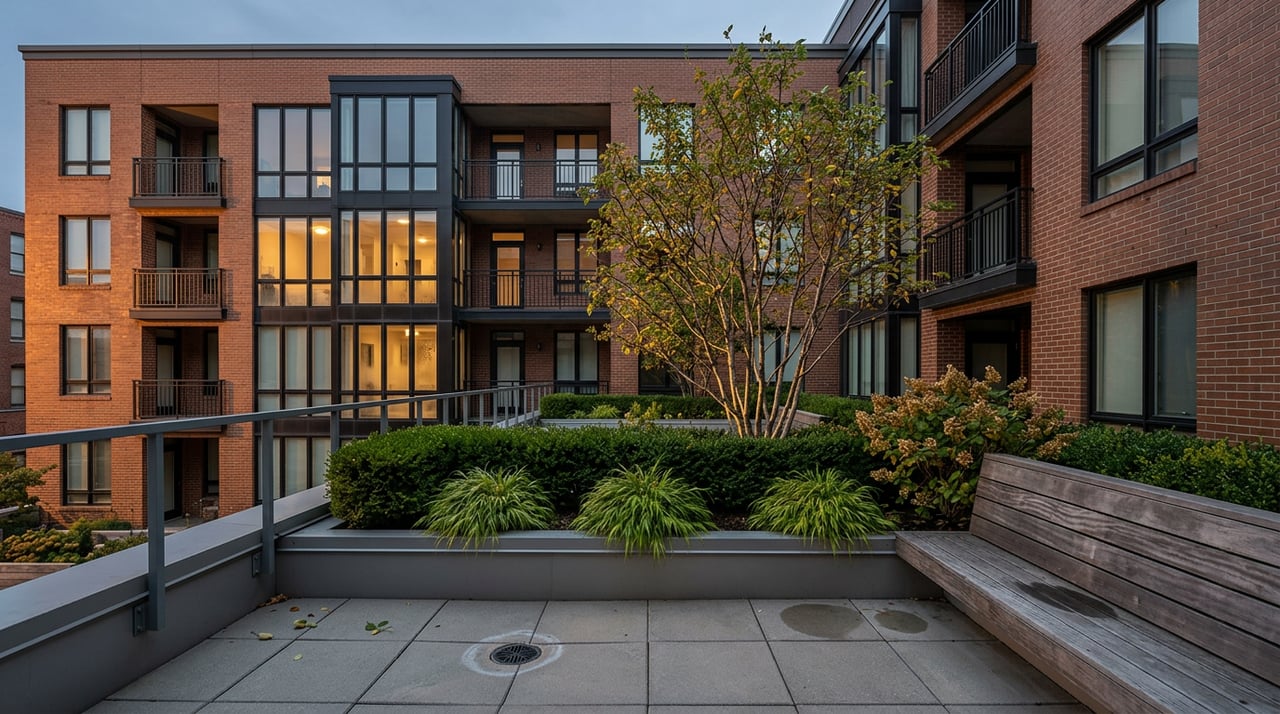
Townhouse is a broader term. It can refer to an attached, multi-story home like a rowhouse, but it often points to newer construction or redevelopments. These may include wider layouts, open floor plans, garages, private outdoor space, or HOA or condo-style governance.
Quick overview
- Rowhouse
- Classic brick façade, stoop entry, tall windows, cornices.
- Fee simple ownership is most common. You handle exterior and lot maintenance.
- Historic character and central locations are typical on Capitol Hill.
- Townhouse
- Often newer or gut-rehabbed with modern layouts and systems.
- May be part of a condo or HOA community with shared services and rules.
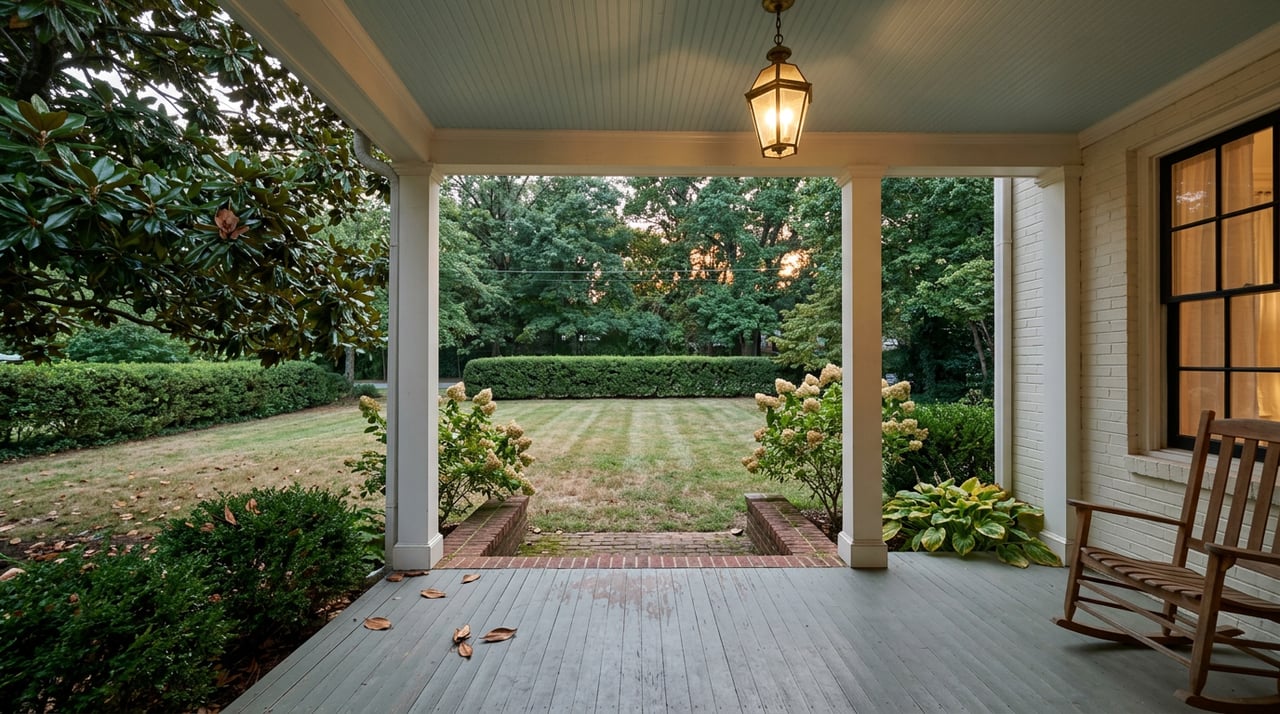
- Garages and private yards are more common than in older rows.
Ownership and governance matter most
Ownership shape drives your monthly costs, insurance, and flexibility. In a fee simple setup, typical for historic rowhouses, you own the home and lot. You are responsible for the façade, roof, gutters, chimneys, and site. Because walls are shared, you may also coordinate with neighbors through party wall agreements or easements.
In a condo or HOA townhouse, an association may handle the building envelope, roof, landscaping, and snow removal. Monthly fees cover those services. You carry an interior policy, and the association’s rules can limit exterior changes, rental policies, and use of common areas. Review the HOA or condo budget, reserve study, bylaws, recent meeting minutes, and any special assessment history before you commit.
Historic district rules on Capitol Hill
Many Capitol Hill blocks are inside a designated historic district. Exterior changes like masonry work, windows, cornices, rooflines, stoops, and porches often require review. You can learn about preservation review and process at the DC Historic Preservation Office. Interior work is usually not reviewed, but any exterior changes can add time and cost, so factor that into your renovation plan.
Zoning, permits, and what you can change
Before planning additions or major reconfigurations, verify what zoning allows on your specific lot. Lot occupancy, rear yard depth, and floor area ratio can limit expansion. Use the DC Office of Zoning resources and map to confirm your property’s zoning designation.
Most significant structural, plumbing, electrical, and HVAC work requires permits and inspections. You can review permit guidance and process through the DC Department of Buildings. If your plans include exterior changes in the historic district, build extra time into your schedule for design review.
Maintenance and lifecycle considerations
For fee simple rowhouses, expect periodic masonry maintenance. Brick façades may need tuckpointing or repointing as mortar ages. Flat roofs typically need replacement every 20 to 40 years depending on material and detailing. Original wood windows can often be repaired, though replacements on historic façades may be restricted.
Chimneys and fireplaces are common and often decorative today, though active chimneys should be inspected yearly. Older systems may need upgrades. You may see galvanized plumbing or knob-and-tube-era electrical remnants, older service panels, or hydronic steam systems. Many older homes also have modest insulation and air sealing, which can affect comfort and utility bills.
In a townhouse with an HOA or condo setup, some exterior items may be association responsibilities. Your monthly fee reflects these services. Confirm exactly what the association maintains, and check whether roof or façade projects are planned that could lead to special assessments.
What to look for on a tour
Use this buyer checklist to evaluate condition and scope:
- Structure
- Look for sloping floors, sticky doors, or stair misalignment that may suggest settlement.
- Check for bulging or bowed masonry and notable cracks.
- Moisture and basement
- Look for dampness, stains, or efflorescence in the cellar or basement.
- Ask about sump pump age and any history of water intrusion.
- Roof and flashing
- Ask about roof age, recent repairs, and leak history.
- Inspect party-wall caps and flashing transitions where leaks often start.
- Systems
- Note the age and type of HVAC. Hydronic steam systems are common in older DC buildings.
- Review the electrical panel capacity and wiring updates.
- Ask about plumbing material and whether galvanized lines were replaced.
- Party walls and access
- Confirm any party wall agreements, shared easements, and access rights for repairs.
- Energy and windows
- Test window operation and look for drafts. Ask about insulation and air sealing.
- Outdoor space and additions
- Check rear yard depth, alley access, and any deck or roof deck restrictions.
- If you plan an addition, verify zoning and historic rules first.
- Parking and storage
- Note street parking norms and any off-street or garage options.
- HOA or condo items for townhouses
- Review bylaws, budgets, reserve studies, and recent minutes for upcoming projects.
Plan a standard home inspection with a professional who follows recognized standards. You can find guidance and professionals via the American Society of Home Inspectors. Depending on what you see, add specialists like a structural engineer, masonry contractor, roof specialist, HVAC or plumbing expert, pest inspector, or a sewer lateral camera inspection. For pre-1978 homes, follow EPA lead paint guidance and consider environmental testing as needed.
Financing, insurance, and taxes
Fee simple rowhouses typically finance like single-family homes. Townhouses in condo or HOA communities may require added lender documentation such as condo questionnaires, budgets, and reserve studies. Some loan programs have specific requirements for associations, and high delinquency or low reserves can affect loan options.
Insurance differs by ownership form. A fee simple owner insures the full structure. In a condo scenario, the master policy may cover exterior elements, while you insure interiors and improvements. For property tax information and assessments, review resources from the DC Office of Tax and Revenue.
Parking, transit, and lifestyle tradeoffs
Capitol Hill is prized for walkability and proximity to the Capitol, Eastern Market, parks, and Metro stops such as Eastern Market, Capitol South, Judiciary Square, and Union Station. Many classic rows rely on street parking and residential permit parking, while some newer townhouse developments offer garages or designated spaces. Think about how you move around, bike or Metro access, and how much value you place on a private garage.
Resale outlook on the Hill
Well-maintained historic rowhouses often attract buyers who value period details and location. Renovations that respect original façades and interior character can support strong resale interest. Newer townhouses or gut-rehabbed homes with open kitchens, modern systems, and garage parking reach buyers who prioritize convenience and reduced maintenance.
How to choose on Capitol Hill
- Define your priorities
- Do you want historic character or modern layouts? Low HOA fees or included exterior maintenance? A garage or a larger yard?
- Confirm the ownership form
- Is it fee simple or part of a condo or HOA? Request bylaws, budgets, reserve studies, meeting minutes, and any special assessment history.
- Verify rules before planning changes
- Check whether the property is in the historic district at the DC Historic Preservation Office. Review zoning limits through the DC Office of Zoning.
- Map out permits and timing
- Understand permitting paths and code requirements via the DC Department of Buildings. Build review time into your schedule.
- Get the right inspections
- Start with a home inspection that aligns with ASHI standards. Add specialists and a sewer camera if needed. For pre-1978 homes, follow EPA lead guidance.
- Model the full monthly cost
- Include property taxes, insurance type, utilities, HOA or condo fees, and a set-aside for maintenance.
Work with a local advisor
Choosing between a rowhouse and a townhouse on Capitol Hill comes down to lifestyle, maintenance appetite, and long-term plans. The right partner will help you quantify tradeoffs, verify rules early, and avoid costly surprises during inspections and permitting. With a data-first approach and hands-on guidance, you can find the home that fits how you want to live.
If you want a clear, technical view of condition, renovation ROI, and neighborhood context, connect with Carol Kennedy. Get a calm, thorough process and a plan tailored to your goals.
FAQs
What is the legal difference between a DC rowhouse and a townhouse?
- In DC, many attached homes look similar, but fee simple ownership is common for historic rowhouses, while newer townhouses may fall under condo or HOA governance that sets rules and shared costs.
How do Capitol Hill historic rules affect exterior changes?
- Exterior changes like masonry, windows, cornices, rooflines, stoops, or porches often require review by the DC Historic Preservation Office, which can add time and cost to projects.
Do I need a special inspection for lead paint in older DC homes?
- For pre-1978 homes, follow EPA lead paint guidance and consider testing, especially if you plan renovations that disturb painted surfaces.
Can I add a rear addition to a Capitol Hill rowhouse?
- It depends on zoning and historic status; verify lot occupancy and rear yard limits with the DC Office of Zoning and plan for review if in the historic district.
What HOA or condo documents should I review for a DC townhouse?
- Request bylaws, budget, reserve study, recent meeting minutes, and any special assessment or litigation history to understand fees, maintenance responsibilities, and risks.
Who maintains a shared party wall in an attached home?
- Responsibilities are guided by party wall agreements and easements; ask for written agreements and confirm access and cost-sharing terms during due diligence.