If you are getting ready to sell in Kalorama Heights, you are not bringing just any home to market. You are presenting a property in one of DC’s most recognized high-value areas, where buyers notice condition, documentation, and design details quickly. The good news is that smart preparation can reduce buyer hesitation, strengthen your launch, and help your home stand out for the right reasons. Let’s dive in.
Why prep matters in Kalorama Heights
Kalorama remains a premium market, but it is not a market where you can count on buyers overlooking unfinished details. Recent data points to strong value, with Zillow placing Kalorama’s home value index at $1,375,034 as of May 31, 2026, up 1.8% year over year. At the same time, nearby market data for Adams Morgan, Kalorama Heights, and Lanier Heights showed 48 days on market in May 2026, while Sheridan-Kalorama was around 50 days on market.
The takeaway is simple: buyers are still willing to pay for Kalorama, but they want confidence. A polished presentation, a realistic pricing strategy, and a clean paper trail can matter just as much as the address itself. In a selective market, preparation helps your home feel worth the premium.
Start with buyer expectations
Today’s buyers usually meet your home online before they ever step through the front door. That means your listing has to do more than look attractive. It needs to help buyers understand the layout, condition, and overall feel of the property before they decide to schedule a showing.
National Association of Realtors research from 2025 found that buyers and their agents see several online features as especially useful. Photos ranked highest, followed by detailed property information, floor plans, virtual tours, and video. The same research also showed that staging helps buyers picture the home as their future residence.
For you as a seller, that means preparation should focus on both the in-person experience and the digital one. If a room feels crowded, dim, or undefined in person, it will usually look even less appealing online. If the photos, floor plan, and showing condition all match, buyers tend to feel more confident moving forward.
Focus on the rooms buyers notice first
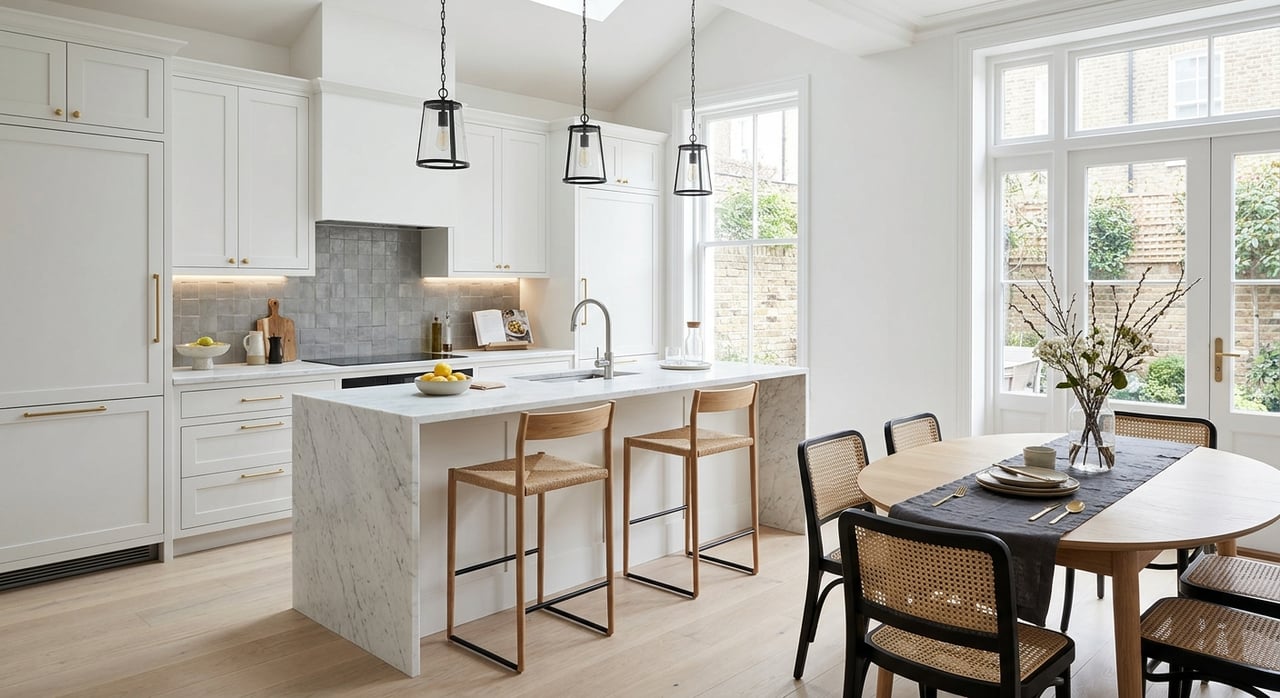
If you are trying to decide where to spend time and money, start with the spaces buyers care about most. According to 2025 staging research, the living room, primary bedroom, and kitchen are the top rooms to prioritize. These spaces do a lot of emotional heavy lifting during showings.
Your goal is not to make the home look generic. Your goal is to make it feel spacious, well cared for, and easy to understand. In Kalorama, where many homes have architectural character and strong visual identity, thoughtful editing often works better than over-styling.
A few practical staging priorities include:
- Remove excess furniture so room size reads clearly
- Let natural light take the lead wherever possible
- Simplify decor so buyers focus on the home, not your belongings
- Make the kitchen look clean, functional, and uncluttered
- Give the primary bedroom a calm, finished feel
- Create a living room layout that feels conversational and balanced
Respect the historic district rules
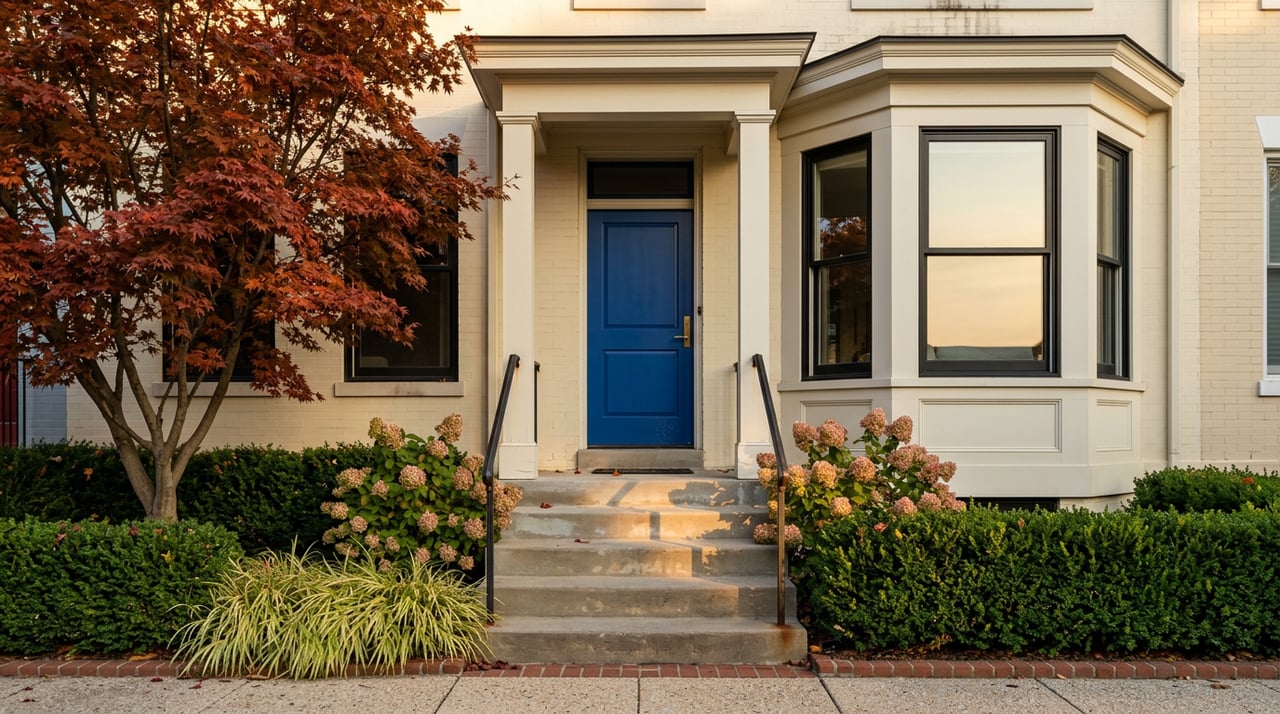
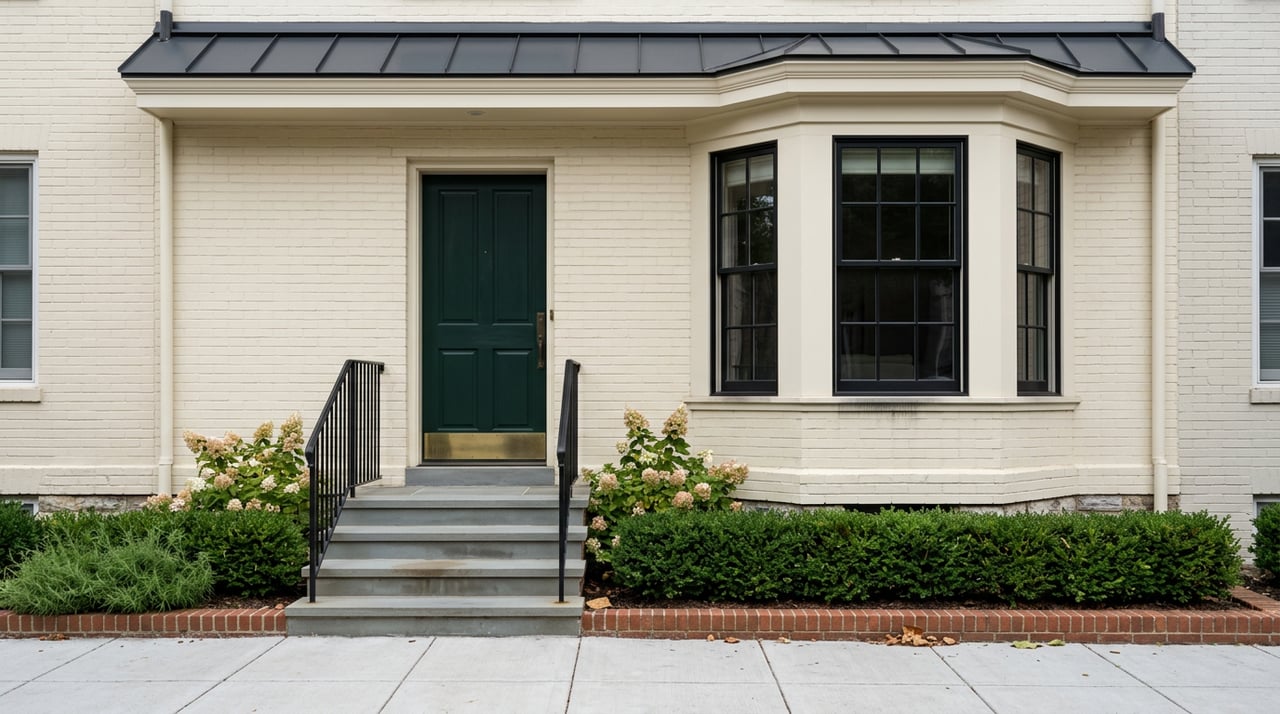
This is one of the most important prep issues in Kalorama. Kalorama Triangle and Sheridan-Kalorama are official DC historic districts, and exterior work may require review before it begins. That includes visible front changes, side alterations visible from the street, window replacement, door replacement, masonry repointing, roof decks, and major additions.
If you are thinking about doing exterior work before listing, do not assume it is minor just because it seems cosmetic. DC’s historic review process is designed to give owners guidance early, and many projects require approval through the permit process. On historic property, postcard permits cannot be used.
For sellers, this means timing matters. It is much better to confirm whether work needs review before scheduling contractors, photos, or a launch date. A buyer who discovers an unresolved permit or approval question may become more cautious, even if the home itself shows well.
Build your documents before you list
In a neighborhood with older and often more complex housing stock, paperwork can be part of the product. Strong documentation helps reduce uncertainty and gives buyers fewer reasons to pause. It also helps your agent answer diligence questions quickly and accurately.
A smart pre-listing file may include:
- Seller disclosure statement
- Required lead-related forms
- Permit history
- Plans and invoices for completed work
- Certificate of occupancy records, if applicable
- Condo documents and association certificate, if the property is a condominium
- Current real property tax certificate
DC law requires sellers to disclose actually known defects or information involving major systems, including the roof, walls, floors, foundation, basement, plumbing, electrical, heating, air conditioning, and water and sewer systems. The seller disclosure statement must also include lead-related plumbing and water system information, including lead-test results, lead-bearing plumbing and lead service lines, whether lead service lines have been replaced on private or public property, and whether the property appears on DC Water’s lead service line website.
If your home is a condo, timing matters here too. DC law requires the unit owner to obtain and furnish condominium instruments and an association certificate after contract execution. In practice, assembling that package before you launch can make the transaction smoother once an offer comes in.
Check lead service line status early
For many older Kalorama properties, lead service line verification is worth handling upfront. DC Water notes that lead service lines were commonly installed before the mid-1950s and were recorded as late as 1977. In a neighborhood with many older buildings, this is a practical due diligence item, not just a box to check.
If you can verify what is known about the property before listing, you are in a better position to complete disclosures accurately and answer buyer questions with confidence. That can help prevent last-minute surprises during contract negotiations or inspection periods.
Repair for confidence, not over-renovation
Many sellers assume they need a major upgrade plan before going to market. In Kalorama Heights, that is not always the best move. Buyers often respond best to homes that feel elegant, maintained, and low-risk rather than heavily altered.
That is especially true in a historic setting, where architectural character is part of the home’s appeal. The right prep work usually supports confidence. It does not try to erase the home’s identity.
Before launch, pay close attention to issues that affect how safe and reliable the home feels, such as:
- Roofing concerns
- Water or sewer issues
- Plumbing defects
- Electrical problems
- HVAC performance
- Exterior conditions that may need historic review or permits
Cosmetic updates can still help, but they should be selective. Freshening paint, refining lighting, and correcting deferred maintenance can go a long way when they make the home feel crisp and cared for.
Plan your prep timeline
A strong launch usually starts weeks before the listing goes live. Breaking the process into phases can make it feel more manageable and help you avoid rushed decisions.
30 to 60 days before launch
Start by gathering records and identifying issues that could affect buyer confidence. Pull permit history, plans, invoices, and certificate of occupancy records if they apply. This is also the time to review disclosure requirements, gather lead forms, assemble condo documents if needed, and order a tax certificate.
You should also walk the property with a critical eye. Focus first on roof, water and sewer, plumbing, electrical, HVAC, and any exterior item that might require historic review before work begins.
2 to 3 weeks before launch
This is the ideal window for selective repairs, cosmetic touch-ups, and staging. Keep your updates disciplined. In Kalorama, buyers often respond best when the home feels polished and trustworthy, not overworked.
Prioritize staging in the living room, primary bedroom, and kitchen first. Then edit the rest of the home so the scale, light, and flow come through clearly in person and in photos.
Launch week
Your marketing materials should match the quality of the home itself. Professional photography is essential, and floor plans, video, and a virtual tour can add meaningful value for buyers comparing listings online.
Detailed property information also matters. Buyers use those details to decide whether the home is worth a private showing, so your presentation should make the condition, layout, and context easy to understand.
Make the online presentation match reality
One of the fastest ways to lose buyer trust is to create a gap between the online listing and the in-person showing. If the home appears brighter, larger, or more updated online than it does in person, buyers may start questioning everything else too.
That is why preparation and marketing need to work together. Clean finishes, clear staging, accurate floor plans, and strong photography should support the same story. When the listing feels consistent from first click to first showing, buyers are more likely to engage seriously.
Use preparation to support pricing
Preparation does not replace pricing strategy, but it strengthens it. In a market where homes can still take several weeks to sell, buyers often compare value closely. A home that feels organized, well-documented, and ready for scrutiny is usually in a stronger position than one that leaves open questions.
This is where a data-first approach can help. When you pair recent market context with smart repairs, staging, and complete documentation, you give buyers a clearer reason to accept your asking price. You are not just listing a home. You are reducing uncertainty.
A thoughtful launch can change the outcome
Selling in Kalorama Heights is rarely about doing the most. It is about doing the right things in the right order. The sellers who tend to create stronger launches are the ones who prepare early, respect the property’s context, and present a home that feels both beautiful and dependable.
If you want help deciding what to fix, what to skip, and how to position your Kalorama home for today’s buyers, Carol Kennedy offers a data-driven, hands-on approach designed to help you prepare with clarity and sell with confidence.
FAQs
What repairs matter most before selling a Kalorama Heights home?
- Focus first on issues that affect buyer confidence, such as roof condition, water or sewer concerns, plumbing, electrical, HVAC, and visible exterior items that may require historic review.
Do Kalorama sellers need to worry about historic district rules?
- Yes. In Kalorama Triangle and Sheridan-Kalorama, visible exterior changes like certain windows, doors, masonry work, roof decks, and additions may require review and permit-related approval before work begins.
What documents should a Kalorama Heights seller gather before listing?
- A strong pre-listing file may include the seller disclosure statement, lead forms, permit history, plans and invoices for work completed, certificate of occupancy records if applicable, condo documents, an association certificate, and a current tax certificate.
Why does lead service line information matter for Kalorama homes?
- Many older DC properties may have lead service line history, so verifying what is known about the property can help you complete disclosures accurately and answer buyer questions early.
Which rooms should sellers stage first in a Kalorama Heights home?
- The top rooms to prioritize are the living room, primary bedroom, and kitchen, since those are the spaces buyers and buyer agents most often focus on.
What marketing materials help a Kalorama Heights listing stand out online?
- Professional photos are the most important, and detailed property information, floor plans, virtual tours, and video can also help buyers evaluate the home before scheduling a showing.