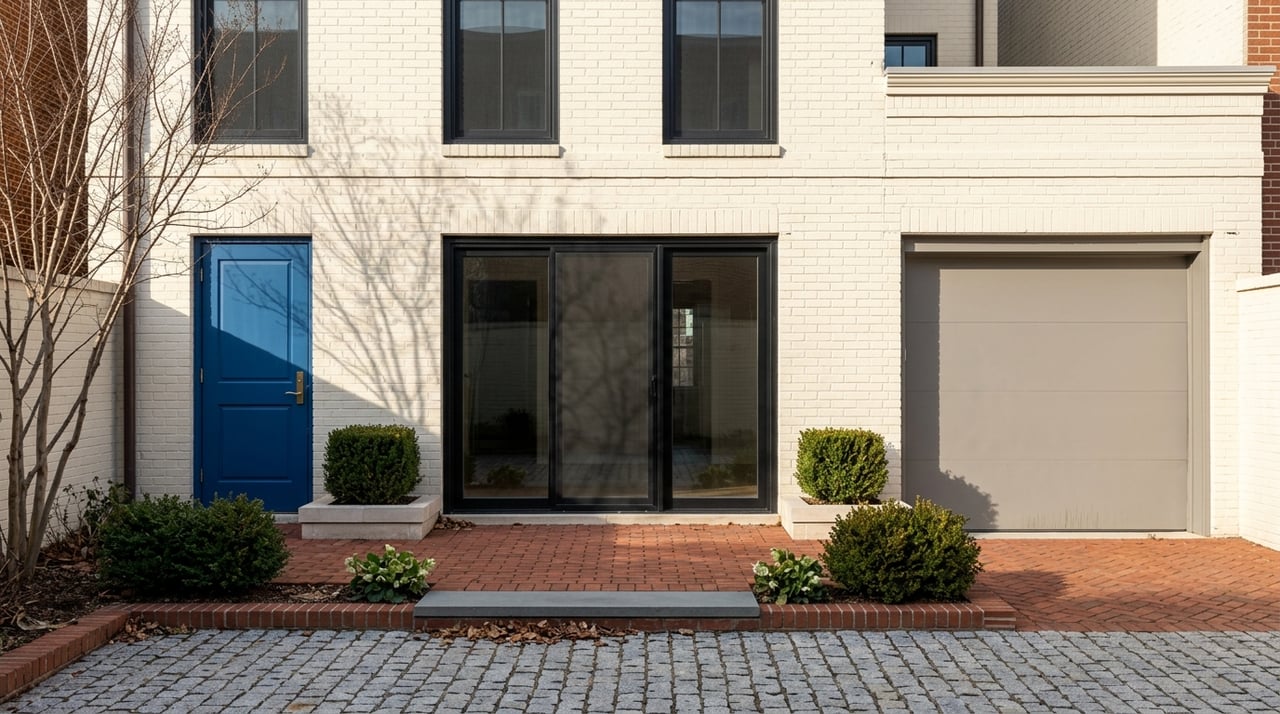
Wondering why one Kalorama Heights home can command millions more than another just a few blocks away? If you are buying, selling, or preparing a luxury property for market, that question matters more here than in almost any other part of DC. In this neighborhood, value comes from a tight mix of historic character, site utility, renovation history, and carefully chosen comps, not broad city averages. Let’s dive in.
Kalorama Heights Is Its Own Market
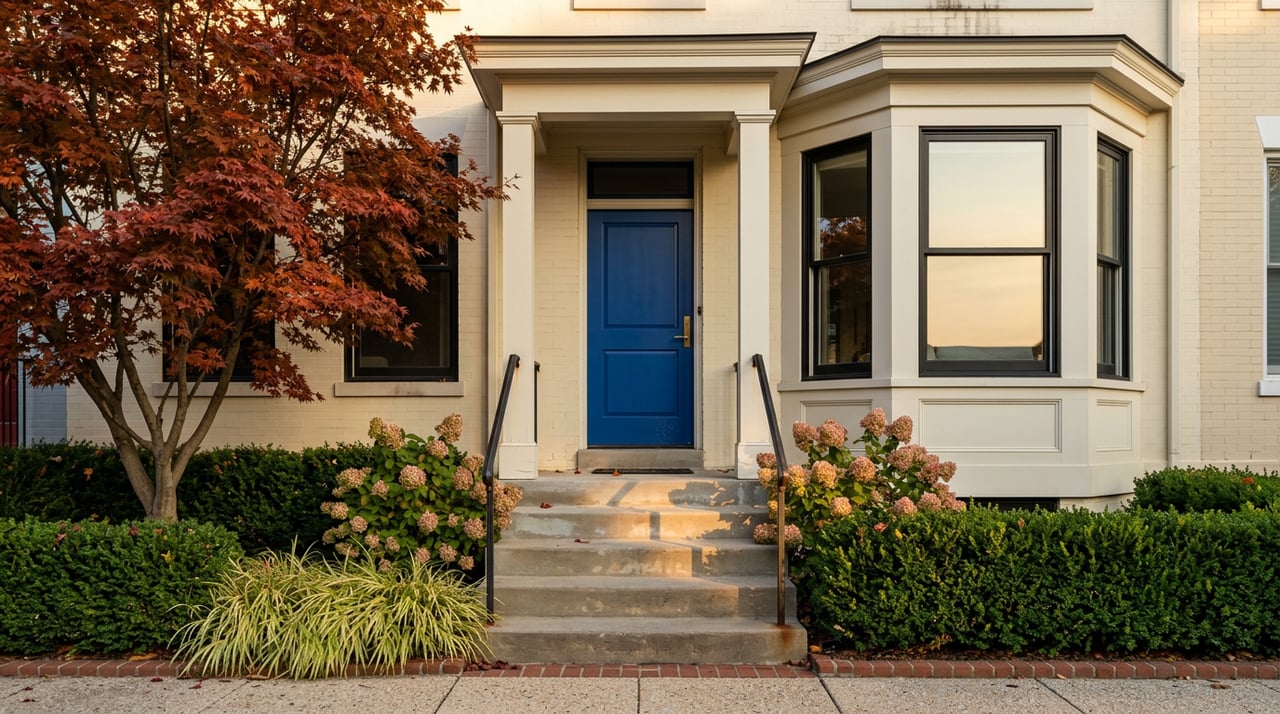
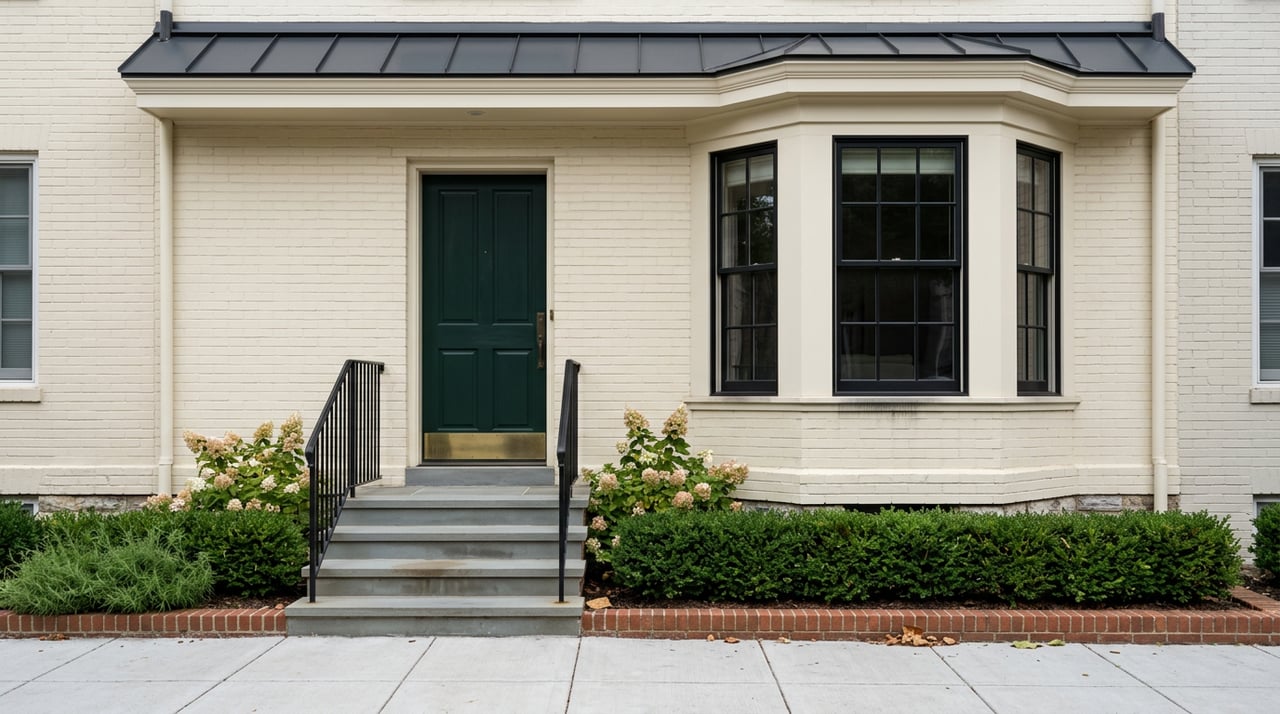
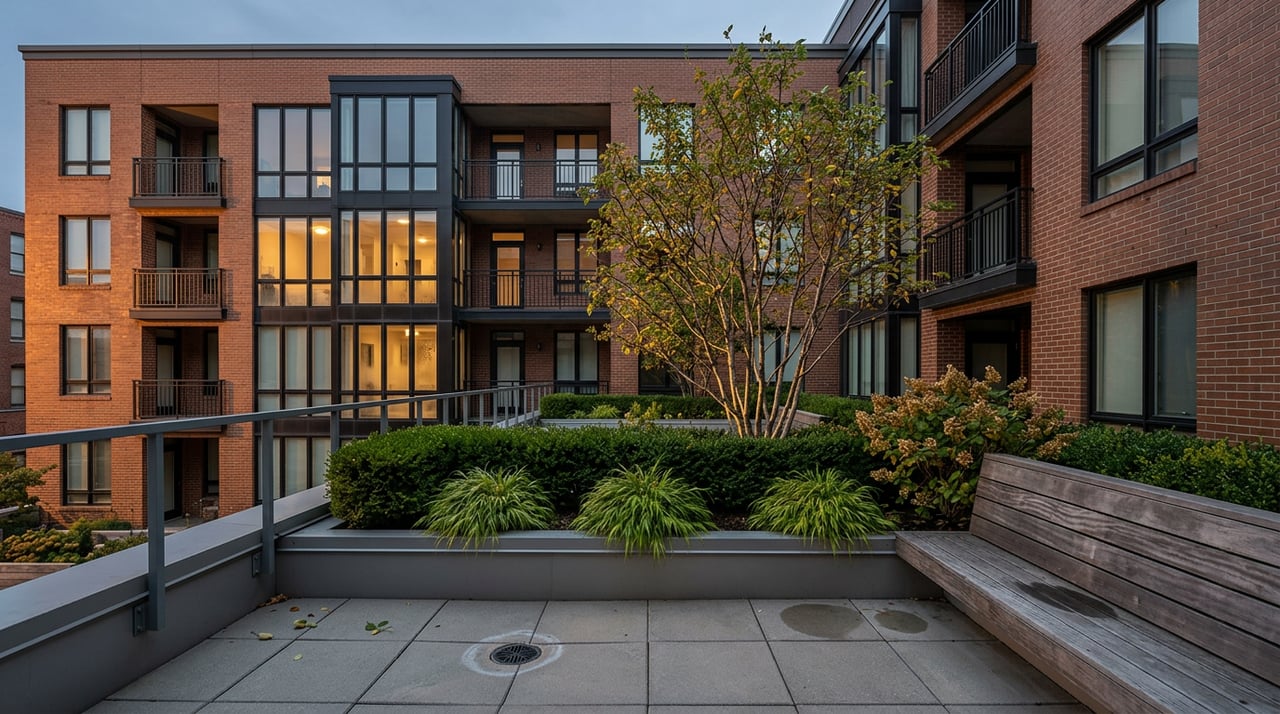
Kalorama Heights is not just another expensive DC neighborhood. Its history as a late 19th-century subdivision within today’s Sheridan-Kalorama created a built environment with individually commissioned houses, grand town houses, apartment buildings, embassies, and chanceries.
That mix makes pricing unusually block-sensitive. A detached house, a townhouse, and a co-op may all appear in a broad Kalorama search, but they do not follow the same valuation logic.
Historic district boundaries matter too. DC preservation records distinguish Kalorama Triangle from Sheridan-Kalorama, with Connecticut Avenue serving as an important dividing line between distinct historic environments.
That is why citywide numbers can be misleading here. Even though the broader Washington, DC market had a median sale price of $677,000 in March 2026, that figure does not help much when you are valuing a luxury home in Kalorama Heights.
What Really Drives Value
Site and Lot Utility
In Kalorama Heights, land is not just land. Lot size, frontage, access, and overall site geometry can shape what a property can realistically support now and in the future.
That matters because DC historic review can apply to new curb cuts, driveways, parking pads, and significant lot boundary changes. So if a parcel offers practical access, existing parking, or a more usable footprint, buyers often see that as meaningful value, not a small bonus.
Recent sales help show the spread. At the top end, 2430 Wyoming Ave NW sold for $11.625 million in August 2025, with 5,390 square feet on a 10,018-square-foot lot and a one-car garage.
By contrast, 10 Kalorama Cir NW sold for $3.655 million in September 2025 with 3,429 square feet on a 4,176-square-foot lot and two parking spaces. Meanwhile, 2220 Wyoming Ave NW sold for $3.65 million in October 2025 as a 3,560-square-foot townhouse on a 3,610-square-foot lot with a two-car garage.
These are not direct one-to-one comps. Still, they show how lot utility and parking solutions can shift value even within the same luxury corridor.
Parking Matters More Than Many Sellers Think
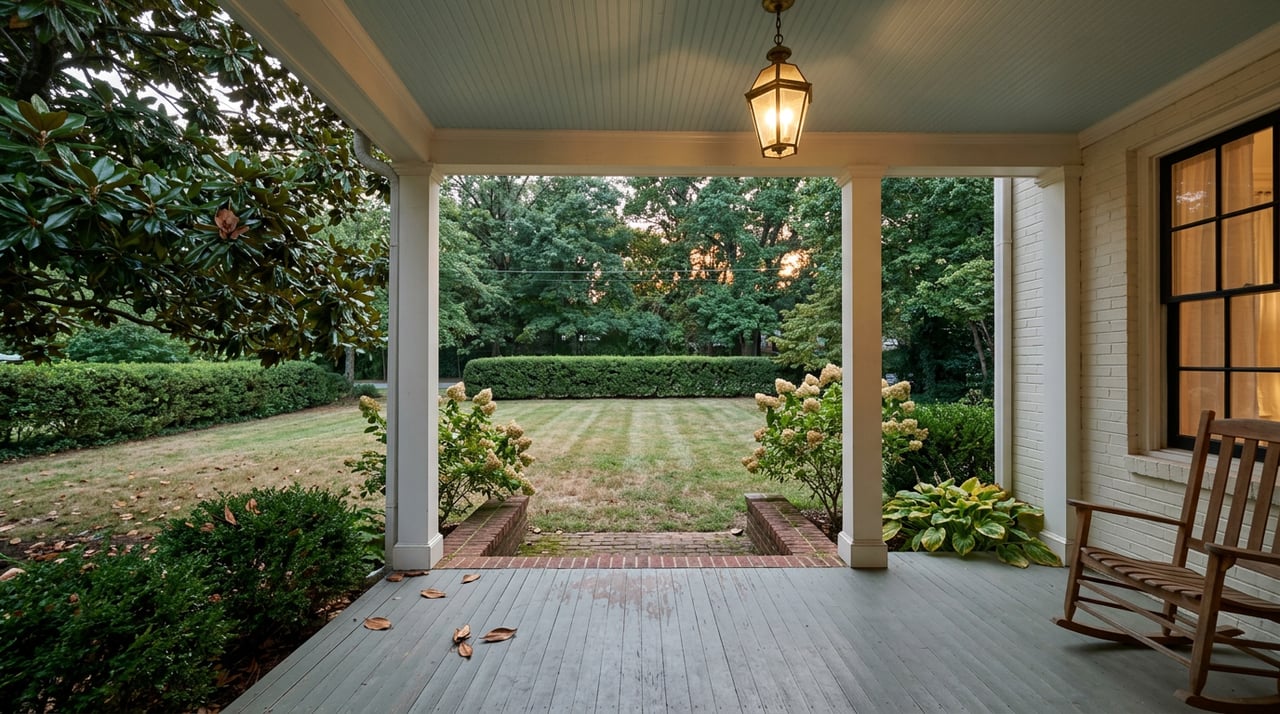
Parking carries real weight in this micro-market. In a historic neighborhood where adding new access points or parking improvements may face review, an existing garage or functional off-street setup can be hard to replicate.
That scarcity can affect buyer demand. A home with established parking may compete differently than a similar home without it, especially when buyers are comparing lifestyle convenience and future flexibility.
Historic Character and Renovation Quality
In Kalorama Heights, buyers are not valuing square footage alone. They are also reacting to the quality of the exterior, the integrity of historic details, and whether updates feel thoughtful and well executed.
DC historic review rules matter here. Front alterations, major changes to window or door openings, visible roof decks, prominently visible garages, and major site work may trigger review, while some rear or side yard improvements not visible from the street can be treated more routinely.
That means approved work and preserved exterior character are part of value. A renovation that respects the home’s architecture and comes with clear documentation tends to create more confidence than one with unclear history or unfinished details.
Documentation matters for another reason too. DC updates its estimate of market value each year using standardized methods that consider recent renovations and neighborhood sale prices, so visible improvement history can influence how a property is perceived.
Embassy Adjacency and Street Prestige
Not all Kalorama blocks feel the same to buyers. Streets shaped by grand homes, diplomatic buildings, and the broader Embassy Row setting often carry a different level of prestige and buyer perception.
The local historic record describes nearby Massachusetts Avenue as a boulevard of grand mansions, row houses, and embassies, and Sheridan-Kalorama’s documented history includes embassies and chanceries as part of the neighborhood fabric. In practice, that means embassy adjacency can influence value, though the effect depends on the block, the view, and the property type.
How High-End Homes Are Comped
The Comp Set Starts Small
Luxury homes in Kalorama Heights are often hard to comp because true peers are limited. Fannie Mae’s appraisal guidance says the sales comparison approach should rely on comparable sales, contract sales, and listings, with neighborhood sales as the best indicator of value.
A minimum of three closed comparables is required. But when the property is unusual or inventory is thin, older sales or homes from competing nearby neighborhoods may be used if the reasoning is clearly explained and supported with time and location adjustments.
That framework fits Kalorama Heights well. The market is small, varied, and full of homes that look similar in price range but differ sharply in type, setting, and functionality.
Why Broad Kalorama Searches Can Mislead
A detached residence on a prominent lot is not the same as a luxury townhouse a few streets away. Likewise, a co-op or apartment in the broader Kalorama area may share a ZIP code or search label, but it does not belong in the same comp grid as a single-family residence.
This is where high-end valuation can go wrong. If the comp set is too broad, the final number may reflect convenience instead of true market behavior.
In practice, the strongest comp set usually begins with the closest, most similar sales in the immediate luxury micro-market. From there, nearby prestige blocks in Sheridan-Kalorama, Dupont Circle, or other close-in areas may help support the analysis when true peers are scarce.
Recent Sales Show the Range
Recent luxury sales in the Kalorama area show how wide the pricing band can be. That range is one reason broad averages fail here.
Here are four notable recent sales:
- 2430 Wyoming Ave NW sold for $11.625 million with 6 bedrooms, 8 bathrooms, and 6,770 square feet.
- 10 Kalorama Cir NW sold for $3.655 million with 4 bedrooms, 4.5 bathrooms, and 3,429 square feet.
- 2220 Wyoming Ave NW sold for $3.65 million with 6 bedrooms, 6 bathrooms, and 3,560 square feet.
- 2222 Wyoming Ave NW sold for $3.5 million with 4 bedrooms, 7 bathrooms, and 4,498 square feet.
A spread from roughly $3.5 million to $11.6 million in the same broader area tells you something important. In Kalorama Heights, pricing is rarely about neighborhood name alone. It is about the exact property, exact block, and exact comp set.
What Sellers Can Do Before Listing
Finish and Document the Work
If you are planning to sell, uncertainty is the enemy of premium pricing. Incomplete projects, open permits, and vague renovation histories can make buyers cautious and weaken your negotiating position.
Before listing, it helps to finish visible work, close out permits, and gather records that explain what was done and when. Renovation invoices, permit records, and floor plans can all support value when a buyer or appraiser is trying to understand the home.
Focus on Improvements That Fit the Setting
In a historic enclave, not every upgrade carries the same risk or reward. Rear-yard terraces, certain decks, alley-access parking pads, and repairs that preserve visible facades may be more practical than ambitious front-facing changes that require heavier review.
By contrast, visible roof decks, new front-facing garages, and new curb cuts usually need more planning. If those projects are on your list, they should be evaluated well before you aim for market.
Build a Strong Pricing Story
In Kalorama Heights, a smart list price needs more than a number. It needs a clear explanation of why the nearest true comps are the right ones.
That usually means presenting the property as a combination of irreplaceable site, preserved historic character, usable parking or outdoor space, and documented condition. When the comp story is strong, the asking price feels grounded rather than aspirational.
Why a Data-First Approach Matters Here
Kalorama Heights rewards careful analysis. Two homes with similar square footage can perform very differently if one has a more usable lot, better parking, stronger renovation documentation, or a more prestigious block position.
That is why this neighborhood calls for more than a quick price-per-square-foot estimate. It takes local comp judgment, attention to historic review issues, and a clear understanding of what buyers in this micro-market actually pay for.
If you are thinking about selling in Kalorama, the goal is not just to price high. The goal is to price credibly, present the home well, and support the value with the right evidence from the start.
If you want a thoughtful, neighborhood-specific valuation for your Kalorama home, connect with Carol Kennedy for a free home valuation.
FAQs
How are luxury homes in Kalorama Heights valued differently from other DC homes?
- Kalorama Heights homes are typically valued using a narrow, neighborhood-specific comp set that accounts for historic setting, property type, lot utility, parking, renovation quality, and block-level prestige rather than broad DC averages.
Why does parking affect Kalorama Heights home values?
- Parking can carry outsized value because adding curb cuts, driveways, or new parking features may require historic review, which makes existing garages and functional off-street parking harder to replace.
What home improvements matter most before selling in Kalorama Heights?
- The most helpful pre-listing steps are usually finishing visible work, closing out permits, documenting renovations, and prioritizing improvements that fit the historic review framework and preserve the home’s exterior character.
Can citywide median prices help price a Kalorama Heights luxury home?
- Citywide median prices may offer broad market context, but they are not a reliable pricing tool for Kalorama Heights because recent sales in this luxury micro-market span a much wider and more property-specific range.
What documents should sellers gather for a Kalorama Heights listing?
- Sellers should ideally gather permit records, renovation invoices, floor plans, and a clear explanation of the most relevant comparable sales to help support pricing and reduce buyer uncertainty.